


October 28, 2025
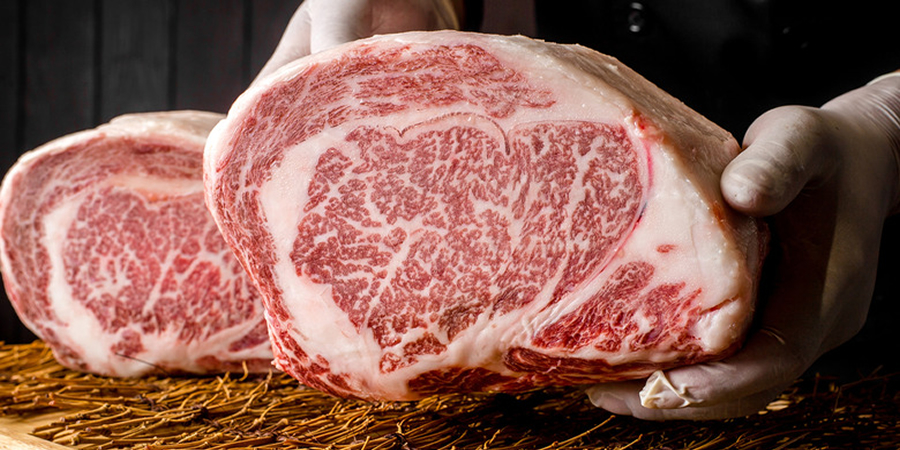
Wagyu from Japan dominates the Hong Kong market, while Australian Wagyu is also readily available as a cheaper option. So does Hong Kong need yet another option, or is it too late in the game for the British?
Peter Find, the chef and owner of Heimat restaurant in Central, is very happy with the British Wagyu he has been using in the last few months.
"I use it in the dish of beef with smoked garlic purée and garlic confit, and it's proven to be a popular choice for clients," he says. "The meat is easy to use and I keep the marble fat on, as it's actually a bit sweet in taste and complements the dish well.
"I use the beef oyster blade, which has a rich and meaty taste but is slightly less marbled when compared to Wagyu from Japan."
However, this "British" Wagyu, from the Warrendale Wagyu business in England, is technically only half-British, as the cattle are the product of full-blood Wagyu bulls crossed with Holstein cows.
The history of Holstein cattle and how they ended up in the UK is a complicated one. The breed originates from Germany's Holstein region and the Netherlands. In the 19th century, breeders in North America imported these cattle and refined them for extreme milk production.
This specialised dairy cow was exported from North America to the UK after World War II, revolutionising the British dairy industry, especially from the 1970s on. This shift created a surplus of Holstein bull calves, initially a low-value by-product that was culled at birth.
Over time, thanks to activism and pressure from the general public, the UK industry developed systems to raise these animals rather than killing them, establishing Holstein beef as a significant, lean and affordable source of meat for the domestic market.
Roger Leung, managing director of Eastern Point Trade, which imports Warrendale Wagyu beef into Hong Kong, says there is a discernible difference in taste between the British and the Australian Wagyu.
"There is definitely a stronger gamey meat flavour compared with the Australian Wagyu," he explains. "That's because the cattle of the UK Wagyu are grass-fed up until the last 150 to 170 days of their lives and then switched to a mix of grass and grain. Most of the flavour of Australian Wagyu comes from the fat."
While the term Australian Wagyu originally described the result of crossbreeding Japanese Wagyu cattle with the Black Angus breed, the country began selling purebred Australian Wagyu in the early 2000s.
A "purebred" Australian Wagyu cow has at least 93.75 per cent of pure Japanese Wagyu genetics, resulting from multiple generations of crossbreeding a 100 per cent Japanese Wagyu bull with high-grade Wagyu-cross females.
Australian Wagyu cattle are typically raised on pastures for the first part of their lives. They are then finished on a grain-based diet for an extended period, often 350 to 500 days, to maximise the development of their buttery-textured fat, or marbling. This long-feeding protocol is essential to achieve the quality for which the beef is prized.
While Hongkongers hold Japanese Wagyu as the ultimate standard for luxury, prized for its extreme marbling and delicate flavour, Wagyu from Australia has successfully carved out a niche in the city. It is widely regarded as a high-quality and more consistent imported alternative, often at a more affordable price.
With competition this fierce, is there any room for a new player like British Wagyu in the market? Leung feels that, with Hongkongers' fastidiousness when it comes to their quality of food, there is.
Grass-fed beef is considered better than grain-fed because it naturally contains a healthier fat profile – specifically, higher levels of beneficial omega-3 fatty acids and conjugated linoleic acid – as a result of the cattle consuming a natural foraged diet.
"However, when people look for a piece of steak, they're looking for marbling, which you don't get with grass-fed beef," Leung says. "I think UK Wagyu can bridge that gap and provide a healthier option while providing the fat profile that everyone craves."
- South China Morning Post


