


October 27, 2023
Brazil's soybean planting faces delays due to increasing dryness
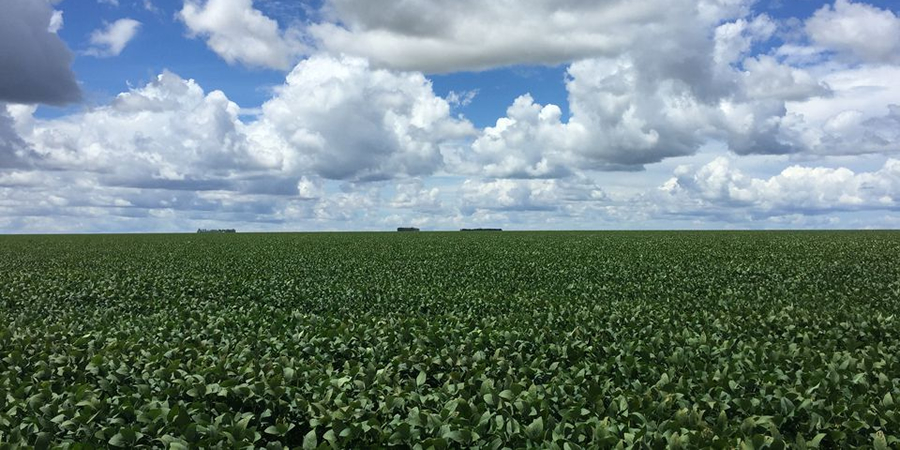
Soybean planting for the 2023/24 season in Brazil has encountered setbacks as farmers grapple with irregular rainfall and increasing dryness in the nation's primary soy-producing regions, Gro Intelligence reported.
Conditions have rapidly deteriorated compared to the promising outlook at the beginning of the month.
In Mato Grosso, Brazil's foremost soybean-producing state, moderate drought conditions began to intensify in mid-October. Furthermore, conditions have been progressively parched since early October.
As of October 23, Mato Grosso had completed 52% of its soybean planting, a drop from 64% during the same period last year, according to Brazil's CONAB. Meanwhile, in Mato Grosso do Sul, planting was 30% finished, compared to 49% in the previous year.
While limited rainfall is projected over the next two weeks, additional precipitation is essential to replenish soil moisture, particularly as temperatures remain elevated.
The prevailing dry conditions have led to historically low water levels in the Amazon River basin, causing delays in corn exports.
Planting delays increase the risk of soybean crops being vulnerable to extreme heat during the flowering and pod development phase in November and December. As the world's leading exporter of both soybeans and corn, Brazil's soybean and corn production interruptions could impact global supplies, especially since United States soybean reserves are already at a seven-year low, and ongoing drought conditions pose a threat to the Argentine soybean crop.
Delayed soybean planting in Brazil may also hamper the country's second corn planting, known as safrinha, which occurs immediately after the soybean harvest in February. Delays in safrinha planting could expose the crop to worsening arid conditions, leading to reduced yields. Safrinha production accounts for 75% of Brazil's corn output.
Current forecasts for Brazil's soybean production anticipate a record 163 million tonnes, up from the previous season's 156 million tonnes, owing to expanded planted acreage and expected yield improvements.
- Gro Intelligence


