


October 26, 2023
European agriculture ministers urge pharma companies to develop bluetongue vaccine
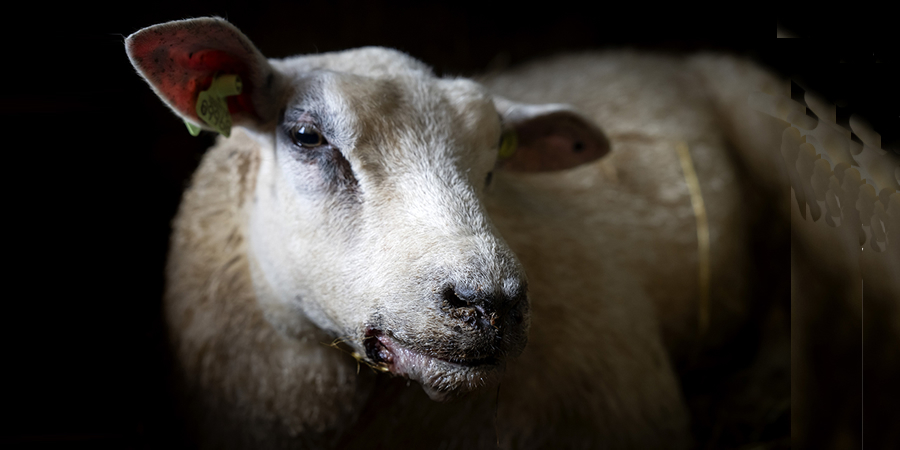
Agriculture ministers from the Netherlands, Germany, and Belgium have jointly called on pharmaceutical companies to expedite the development of a new vaccine as they grapple with an ongoing outbreak of bluetongue disease, Euractiv reported.
The ministers expressed concerns about the potential impact of the disease on sheep and cattle exports and urged swift action.
The outbreak, which has been detected in over 2,600 cases in the Netherlands since early September, poses a significant threat to livestock in the region. The disease is transmitted by midges and primarily affects sheep and cattle, but other animals like goats, llamas, and alpacas can also be affected.
Since the outbreak, individual cases have been reported in bordering regions of Germany and Belgium, raising concerns about the potential spread of the disease. The acting Dutch minister, Piet Adema, described the situation as having "tragic implications for animals and farmers" and highlighted the likely impact of sanitary restrictions on the country's livestock exports.
While vaccines exist for certain types of bluetongue, the current outbreak involves serotype 3, for which there is no available vaccine. The ministers have called on the pharmaceutical industry to actively engage in research, development, and production of vaccines for this specific bluetongue variant.
Acting Minister Adema expressed his intention to meet with pharmaceutical companies to advocate for vaccine development. He also hoped that the high and growing demand for such a vaccine would expedite the process.
As the risk of bluetongue transmission through insects decreases during the winter months, the ministers aim to have a vaccine ready by the spring when temperatures rise. However, they did not specify concrete incentives or funding measures to encourage vaccine development, relying instead on market demand to drive progress.
Germany's Agriculture Minister, Cem Özdemir, suggested the possibility of a European research initiative to tackle the issue. While the source of funding was not specified, various European programmes, including Horizon Europe and the European Agricultural Fund for Rural Development (EAFR), offer opportunities for research funding.
Bluetongue disease is not transmittable to humans but can have a significant impact on livestock herds, causing economic ramifications for producers by affecting their ability to sell and export animals and related products.
Affected regions, including the Netherlands, Germany, and Belgium, have lost their "disease-free status," which now requires animals to be vaccinated before export. To support affected producers, Belgian Minister David Clarinval called for flexibility from the EU Commission and member states to enable continued exports under safe conditions.
Furthermore, the ministers highlighted the impact of climate change on the outbreak, with warmer temperatures contributing to increased midge populations. They emphasised the need to combat the climate crisis to address these issues effectively.
- Euractiv


