


October 23, 2025
More Indonesian shrimp products recalled in Seattle over radiation concerns
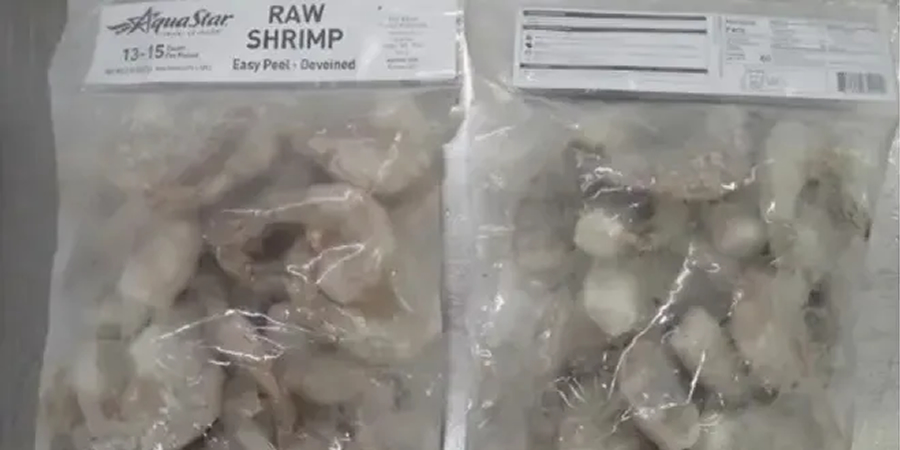
Seattle-based Aquastar Corporation has expanded its recall of frozen raw shrimp imported from Indonesia due to potential exposure to radioactive chemicals.
In an October 17 notice posted by the US Food and Drug Administration, the company is voluntarily recalling a limited amount of shrimp products imported from Indonesian exporter PT. Bahari Makmur Sejati, some of which are sold in Publix.
The company stated that the recall is due to the products having been "prepared, packed, or held under conditions" that may have exposed them to "very low levels" of cesium-137.
The recall was announced as a precautionary measure as none of the listed products tested positive for cesium-137, officials noted.
Also known as as Cs-137, it is a radioisotope of cesium, meaning it is a chemical element that emits radiation as it breaks down. It is man-made and is produced by nuclear fission, according to the Centres for Disease Control and Prevention (CDC). In the United States, it is used in medical devices and measurement gauges, such as industrial devices that measure the thickness of materials.
Because it is widespread around the globe, trace amounts can be found in the environment, including soil, food and air, the FDA said. Agencies, including the FDA and US Customs & Border Protection, test for, monitor and regulate the presence of the substance due to the risks associated with long-term exposure.
Products included in the most recent shrimp recall were sold under the brand names AquaStar, Publix, Best Yet and Waterfront Bistro.
A list of recalled items including brand names, product codes and "best by" dates can be found in the embed below or on the FDA's website.
The October 17 recall comes after other shrimp brands sold at major retailers like Walmart and Kroger were recalled for the same radioactive chemical contamination concerns.
The FDA advises people not to consume the products and to discard them if possible. Additionally, consumers can return the shrimp to the establishment from which they purchased it.
- USA Today


