


October 23, 2024
Growing modernisation gap a serious hurdle for Malaysian agriculture, according to minister
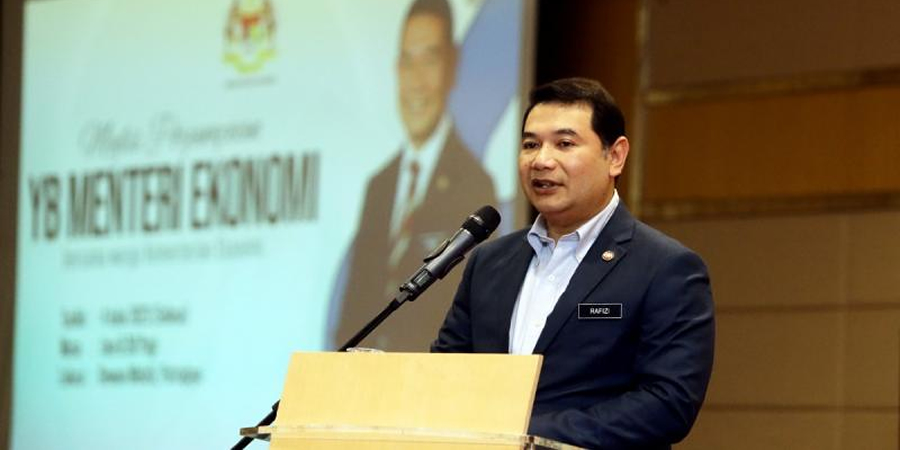
Malaysia's agricultural sector is facing significant challenges due to a widening modernisation gap.
Economy Minister Rafizi Ramli said the sector's outdated practices have contributed to declining productivity and wages, further exacerbating the rural-urban divide. He expressed concern over the state of agriculture in Malaysia, pointing out that the industry's productivity had diminished over recent years.
"The value added per hour worked in agriculture has declined from RM25.2 in 2015 to RM24.8 in 2023," he said at the launch of the 30th edition of the Malaysia Economic Monitor (MEM) on October 14.
Rafizi mentioned that while employment in the agriculture sector continues to grow, with a 4.2% increase, the sector's rural concentration has led to lower wages, deepening social divisions.
"You are condemning people to lower wages, worsening the rural-urban divide, and exacerbating the sense of being left behind," he said.
Rafizi also addressed Malaysia's growing dependence on food imports, a trend he described as a security threat.
In 2022, Malaysia's food trade deficit reached RM31 billion, with the country importing 1.7 times the value of food it exports.
As the population grows, this reliance on imported food will put further pressure on the country's economy and food security.
To address these issues, Rafizi outlined the need for a new economic approach to agriculture, focusing on modernising the sector through the integration of digital technologies.
He advocated for a stage approach to technological adoption, explaining that expecting rural farmers to rapidly embrace large-scale digitalisation was unrealistic.
Instead, he proposed a minimum viable product (MVP) approach, where small-scale pilot projects are tested, refined, and scaled up.
Rafizi pointed to the government's INTAN initiative as a potential model for modernisation.
The programme, which revitalises federal land using modern agricultural technologies, has seen participating farmers earn up to RM5,600 (US$1,301) a month — double the average farmer's salary.
"By showing the real benefits of embracing technology, rural farmers can command a higher salary and standard of living," he said.
As Malaysia looks to the future, Rafizi pointed out the importance of agriculture as a core driver of the economy, urging the nation to take swift action to modernise the sector.
"Modernising the sector will minimise the trends of import dependence and reduced contribution," Rafizi said. "It will make sure those growth figures spillover, not just into manufacturing and services, but agriculture too."
- The Malaysian Reserve


