


October 21, 2025
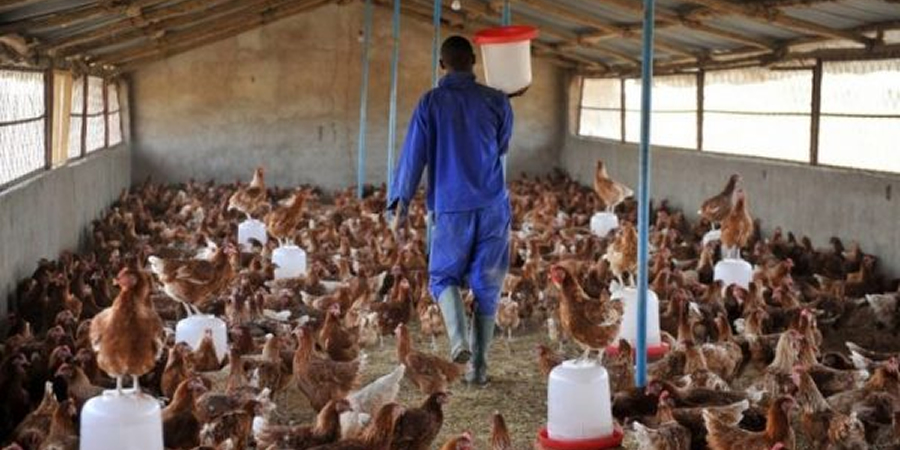
The Western Regional Poultry Farmers Association of Ghana has raised concerns that distributing broilers to non-poultry farmers or inexperienced groups at the constituency level is undermining the success of the government's poultry initiative.
Under the policy, each constituency is expected to receive 10,000 birds at an estimated total cost of GH₵200 million (US$18.61 million), representing a major investment in the country's poultry sector.
The association noted that broilers require specialised care—including proper feeding, housing, vaccination, and stress management—and warned that without adequate training for beneficiaries, the initiative could lead to high mortality rates and significant economic losses for the state.
Emmanuel Benya, the association's regional chairman, commended the government's effort to reduce dependence on imported poultry but stressed that key implementation challenges must be addressed.
"We strongly recommend Cockerel or Sasso breeds, which are more resilient, require less intensive care, and are better suited to Ghana's climate," Benya said. "They carry lower risks, are in high demand, and could ensure better outcomes for the programme."
Benya emphasized that poultry farming demands commitment and expertise.
"Raising birds is not for the faint-hearted. Members of our association are essential to the successful implementation of this policy—it could save countless birds from unnecessary mortality," he added.
The group also proposed that government allocate birds among multiple identified poultry farmers rather than assigning all 10,000 birds to a single farmer in each constituency. They said such a structure would reduce transportation-related deaths and improve overall survival rates after the initial four-week period.
Benya described the policy as a potential "game changer" capable of revitalising Ghana's agricultural sector, enhancing food security, and strengthening the cedi—provided implementation challenges are resolved.
To ensure success, the association recommended introducing strict biosecurity protocols, comprehensive training, government-supported extension services, and a monitoring framework developed in partnership with existing farmer associations.
Finally, the group urged the Ministry of Food and Agriculture and other relevant agencies to provide the government with accurate technical guidance to guarantee the programme's success. Some farmers also called for the initiative to be depoliticised to maximise its impact and sustainability.
- Ghana web


