


October 19, 2023
UK halts import of French cattle over fears of deadly disease
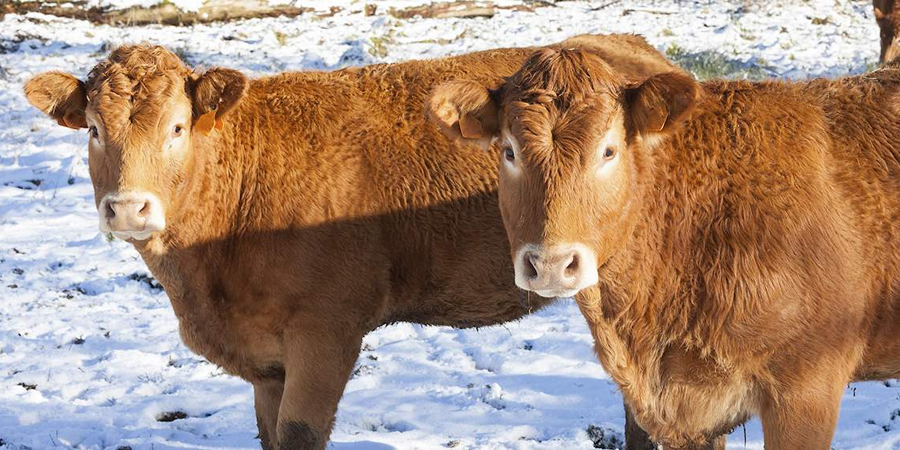
The United Kingdom has suspended imports of live cattle, sheep and goats from France following the outbreak of a disease which can be fatal to cows, Sky News reported last week.
Epizootic haemorrhagic disease (EHD) has been reported in southern France for the first time, having previously been recorded in Spain, Portugal and southern Italy. The virus which causes the disease is usually spread to ruminants - hoofed herbivores such as cows, deer and sheep - through the bites of infected midges.
More than 250 outbreaks of the disease have been recorded in Spain, Portugal and Italy since the disease was first spotted in Europe in November last year.
Scientists in the UK said warmer summers caused by climate change may have contributed to the sharp rise in outbreaks in southern Europe this summer.
The UK's Department for Environment, Food and Rural Affairs (DEFRA) said it is "closely monitoring" the spread of the disease. However, it added the risk of the virus reaching the UK is currently "negligible".
EHD was first identified in the United States in the 1950s, but has since spread to parts of Africa and the Middle East.
There are currently no vaccines for the disease. It was recorded for the first time in southwest France last month, with 19 outbreaks reported across two areas of the French Pyrenees region.
In a bid to stop the spread of the disease, French authorities have banned the export of live cattle from six regions in the southwest of France and placed restrictions on six neighbouring regions.
DEFRA said experts are carrying out back tracing to identify any shipments of live cattle from France over the past 28 days.
According to DEFRA, the biggest risk of the disease reaching the UK is through infected midges "from areas we are trading with that have undetected EHDV."
A DEFRA spokesperson said: "The UK remains officially EHD-free, but we are not complacent against the risk it poses to our farmers.
"That is why imports of live ruminants can no longer be imported from affected countries, while germinal products are now subject to additional testing requirements.
"The detections in Europe are an important reminder to all farmers to be vigilant in sourcing their stock and germinal products, ensuring imported animals are sourced from a disease-free country."
- Sky News


