


October 18, 2024
New study reveals aquaculture's increasing reliance on wild fish
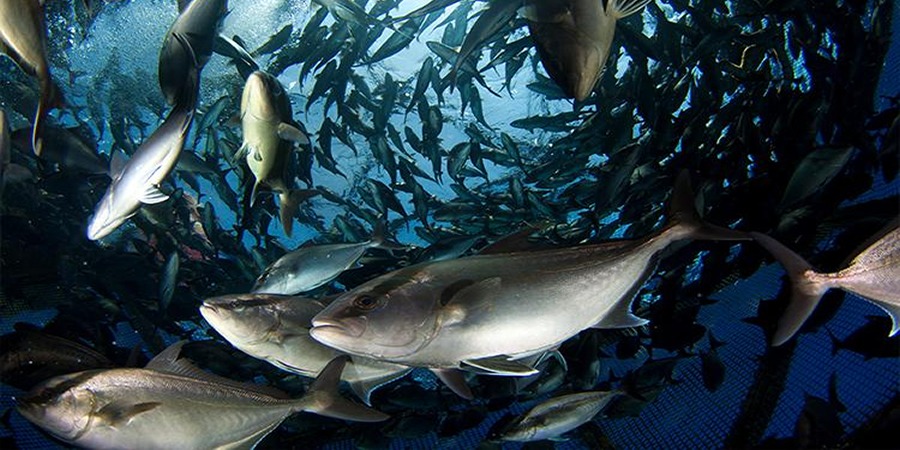
A paper published in Science Advances reveals the aquaculture sector's growing dependence on wild fish, challenging industry claims that farmed fish production is becoming more sustainable, Phys.org reported.
The findings indicate that the rising demand for expensive farmed salmon is leading to limited access to affordable local fish, such as sardines and anchovies, for coastal communities.
These small pelagic fish are often caught and processed into fishmeal and fish oil, predominantly used to feed farmed fish. According to the paper, these 'reduction fisheries' account for 26% of the global ocean catch.
"As the aquaculture industry grows, so does its dependence on wild fish," stated Dr Kathryn Matthews, Oceana chief scientist and co-author of the paper. "The continued rapid expansion of the sector will demand ever more fishmeal and fish oil, even as its use in feed becomes more efficient."
The authors of the paper include Dr Patricia Majluf, Associate Professor at the Centre for Environmental Sustainability at Cayetano Heredia University and former Oceana vice president in Peru; Dr Daniel Pauly, Oceana board member and fisheries scientist; Oceana senior analyst Dr Daniel Skerritt; and Dr Maria Lourdes D Palomares, senior scientist and research unit manager at Sea Around Us. They challenge the industry's reliance on the "Fish-in-Fish-out" (FIFO) ratio, a common metric used to measure the number of wild fish needed to produce farmed fish.
The FIFO ratio is often presented as an indicator of aquaculture's impact on wild fish stocks. In the paper, the authors highlight misleading practices related to the FIFO ratio, such as averaging the fishmeal and fish oil inputs of carnivorous and herbivorous species to obscure the high feed requirements of carnivorous fish.
This averaging process artificially lowers the FIFO ratio, supporting the aquaculture industry's claims that its dependence on fish oil and fishmeal is decreasing. However, fish oil is a limited commodity, and its demand continues to rise, particularly from salmon farms, which account for 70% of global salmon consumption. The authors estimate that farmed Atlantic salmon alone represented 60% of fish oil usage in 2020.
"The salmon industry is not a food production system; it is a food reduction system. It benefits the few who can afford it but reduces access to nutritious fish for those who need it the most," said Dr Matthews.
In West Africa, processing plants are reportedly exploiting significant quantities of small pelagic fish, mainly sardinella, to produce fishmeal and fish oil for export. Dr Skerritt remarked, "This is an equity issue—it puts local fishmongers at an unfair disadvantage because they cannot compete with the prices the plants are willing to pay for this global commodity."
The authors also highlight the challenges facing fishmeal and fish oil production in the future. Climate change is affecting fish populations globally, including the primary source of fishmeal and fish oil—the Peruvian anchoveta.
As these species are found in warmer waters, they contain less fish oil. Poor management practices within fisheries have led to higher catches of juvenile fish, which also yield lower oil content.
"Together, these factors are driving feed manufacturers to seek alternatives for additional oil, including fisheries that typically supply fish for direct human consumption, such as mackerel," stated Dr Majluf.
Considering these challenges, the authors advocate for the industry to implement substitutes for fishmeal and fish oil in aquaculture fish feeds. This paper is part of a special issue of Science Advances dedicated to aquaculture, which includes an analysis by Dr Rashid Sumaila, an Oceana Board Member and fisheries economist, emphasising the need for greater transparency in aquaculture subsidy reporting.
- Phys.org


