


October 17, 2024
US swine farms advance biosecurity with new research projects
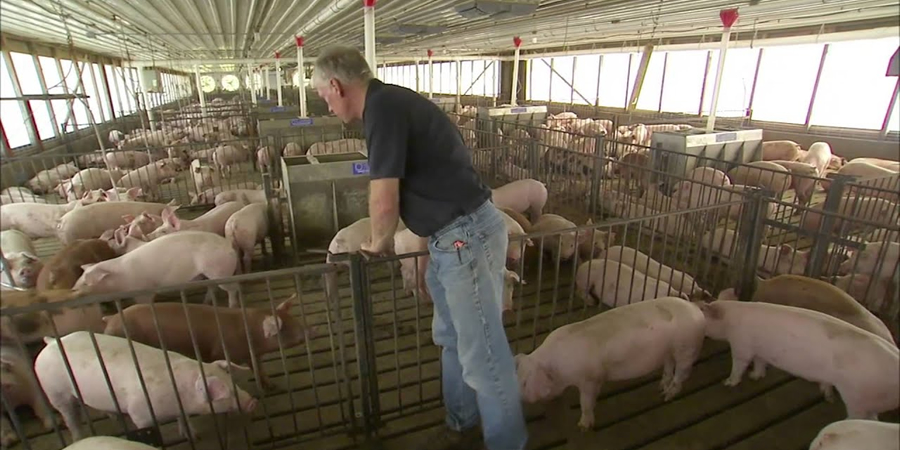
The US Swine Health Information Centre's (SHIC) Wean-to-Harvest Biosecurity Research Programme has recently funded two new projects aimed at improving the biosecurity of US swine farms, National Hog Farmer reported.
The programme is supported through a partnership with the Foundation for Food & Agriculture Research (FFAR) and the Pork Checkoff.
The newly funded projects include quantifying trailer contamination rates at the harvest plant interface, led by Cesar Corzo at the University of Minnesota, and assessing viral contamination of mortality disposal structures at wean-to-market farms, led by Igor Paploski at the University of Minnesota.
These additions bring the total number of funded projects to 20, reflecting a comprehensive approach to improving biosecurity during the wean-to-harvest phases of swine production.
The research programme responds to identified swine health vulnerabilities and leverages Pork Checkoff funds to protect the US swine herd. Proactively enhancing biosecurity measures from wean-to-harvest is seen as crucial to controlling the next potential emerging disease in the US pork industry.
All research proposals submitted to the programme undergo a competitive review by a task force of industry stakeholders, with final recommendations approved by SHIC's Board of Directors, FFAR, and Pork Checkoff. Projects are evaluated based on their relevance to pork producers and their potential to offer cost-effective biosecurity solutions for farms.
The newly funded projects are focused on addressing unique pathways for disease transmission. The first project, led by Cesar Corzo, is titled "Quantification of the trailer contamination risk at the harvest plant". This study will assess current viral pathogen contamination rates in transport trailers at the harvest facility, including porcine epidemic diarrhoea virus, Senecavirus A, and porcine reproductive and respiratory syndrome virus. The goal is to identify factors in the trailer and unloading process that may contribute to contamination risks.
The second project, led by Igor Paploski, is titled "Assessing viral environmental contamination: An investigation of dead animal disposal structures in wean-to-market farms". This research will examine biosecurity practices related to dead animal disposal, assess viral contamination around structures like composting bins and dead boxes, and test an environmental decontamination strategy. The aim is to develop actionable recommendations for reducing the risk of disease transmission through mortality management.
The Wean-to-Harvest Biosecurity Programme continues to accept research proposals, with US$2.3 million in total project funds available since the programme's inception. The results of the funded projects will be shared with producers in real time, allowing for the immediate implementation of findings on farms.
- National Hog Farmer


