


October 17, 2023
Philippines feed millers association seeks for 5% tariff on corn imports
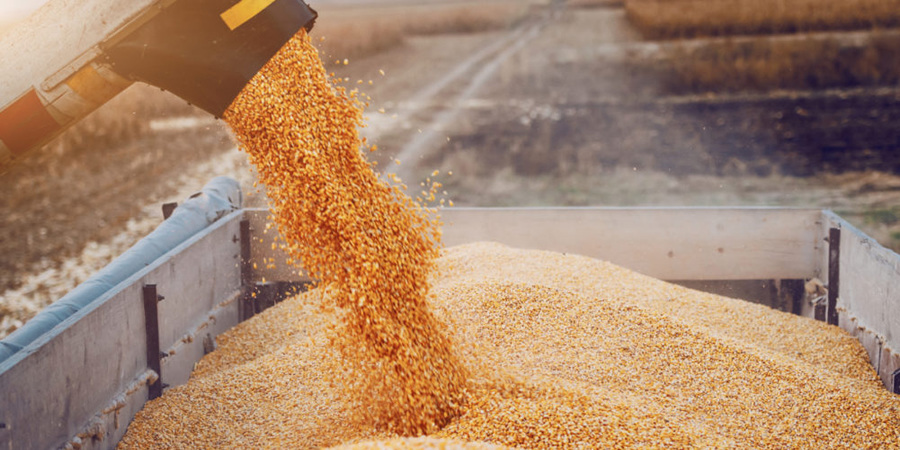
The Philippine Association of Feed Millers (Pafmi) is calling for the imposition of a standard 5% tariff on the Philippines' corn imports to strengthen domestic production of meat, fish and other poultry products, The Manila Times reported early this month.
According to Pafmi, its call for a standardisation of corn tariffs comes amid calls from agricultural groups for Philippines President Ferdinand Marcos Jr. to reject proposals to reduce tariffs on rice, pork, corn and chicken.
"Corn plays a vital role in ensuring that local livestock farms and even fisheries are able to give the best quality feeds to their animals," said Pafmi president Edwin Mapanao.
The Department of Agriculture reported that yellow corn production in the country is at over 7.0 million metric tonnes, of which 84% is used for animal feeds and food production.
Overall demand for yellow corn is estimated at nearly 9.5 million metric tonnes.
Pafmi said that the Philippines still needs to import to address the three million metric tonnes deficit, adding that the country is 64% sufficient in corn.
Acknowledging the farming sector's concerns on tariff reduction for some commodities that could negatively impact farmgate prices, Pafmi said that a 5% tariff on corn imports could help boost production in the local poultry sector.
"Unlike meat and rice, which are both finished products, implementing the 5% standard tariff on yellow corn, a raw material, may help the directive of strengthening and supporting local production of meat, eggs and fish," Pafmi said.
Moreover, Mapanao said that it is crucial to ensure that the demands of the industry are met to produce quality meat, poultry and eggs for consumers at affordable prices.
"One of the ways we can achieve this is by keeping the tariffs low and allowing importers to help fill our supply gaps," he said.
Pafmi also emphasised that focusing on making yellow corn more available, affordable and accessible will help the food value chain grow sustainably at the local level.
"The reduction of tariffs will not have any adverse effects on local corn farmers since as long as the quality of domestically produced yellow corn adheres to the prescribed standards, feed millers will continue to prioritise locally sourced produce," it said.
- The Manila Times


