


October 16, 2025
Philippines to upgrade cold storage facilities for livestock and poultry sectors
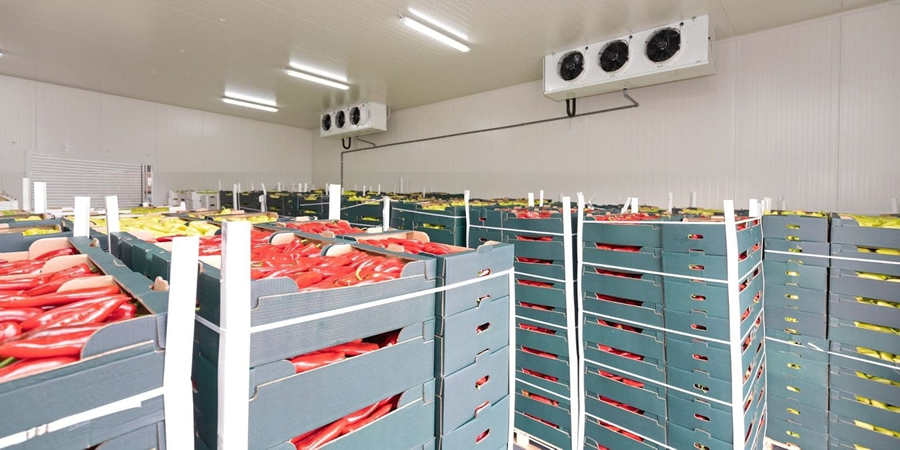
The Philippine Department of Agriculture (DA) plans to allocate a portion of the ₱20 billion (US$344.33 million) budget intended for implementing a law to modernise the livestock and poultry sectors toward building Cold Examination Facilities for Agriculture (Cefas).
Agriculture Secretary Francisco Tiu Laurel Jr. said the agency would need as much as ₱1.5 billion (US$25.82 million) to build five Cefas to prevent the entry of transboundary animal diseases and curb the smuggling of farm products.
He noted that the Cefas, which will be built in the Port of Manila, Subic, General Santos, Davao, and Cebu, would cost ₱250 million (US$4.30 million) to ₱300 million (US$5.16 million) each.
Initially, he said the DA was ready to bid out the Cefas, but the agency encountered delays due to failed bidding.
"We just need funding. Once these are funded, then we can bid out [the projects]," he told reporters on the sidelines of the Senate hearing on the proposed budget of the DA on Wednesday.
The DA chief noted that during the Senate hearing, the lawmakers said the fund should be included in the agency's budget for 2026.
If this is not possible, he said they proposed to use of the budget allotted for the Animal Competitiveness Enhancement Fund (AnCEF) for building CEFAs.
"The Senators suggested they might find a way to fund it in the [bicameral conference], which is preferred. But if not, we might use part of the AnCEF fund just to get at least one [Cefa] started."
According to DA chief, it would take 16 months to build a first border facility.
President Ferdinand R. Marcos Jr. recently signed Republic Act (RA) 12308 or the Animal Industry Development and Competitiveness Act.
The new law creates a 10-year fund dubbed the AnCEF which would consist of tariffs collected from imported livestock, poultry and dairy products.
Earlier, the DA chief said the Cefa should be established inside the ports so potentially smuggled farm items would be seized before leaving the facility. If not inside the ports, he noted that the Cefas could be constructed near the ports, so it would be easier to track.
He also said the border inspection facilities in these ports would mainly check potentially smuggled goods based on their risk.
"It should only be risk-based…if we've already flagged the country or the shipment is questionable, then only then the shipment should be checked. We cannot check all shipments as costs will increase."
- Business Mirror


