


October 15, 2025
Philippine poultry conglomerate urges local chicken industry to boost production on growing demand
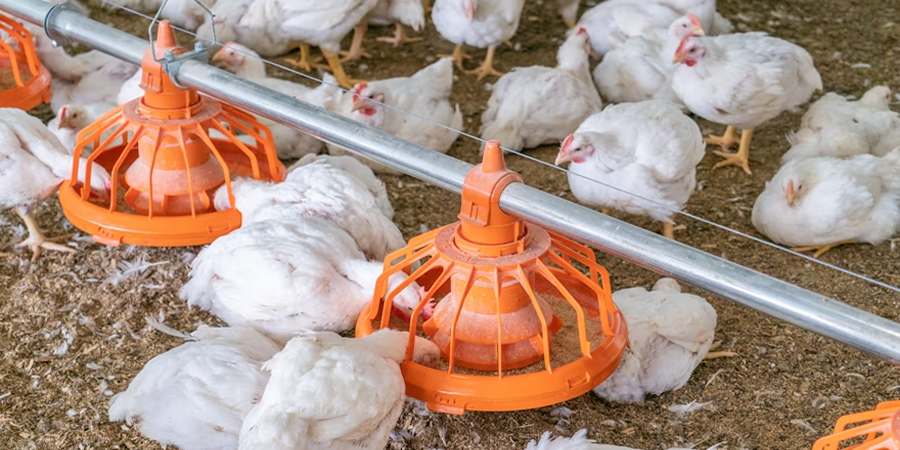
The Philippines must ramp up its poultry production capacity to meet growing demand, according to Bounty President and CEO Kenneth Cheng.
The poultry sector's output in 2024 totaled ₱362 billion (US$6.21 billion), according to data from the Philippine Statistics Authority.
Citing data from market research firm Girafood, Cheng — whose company is one of the country's top poultry producers — said that, along with increasing population, demand for poultry meat in the Philippines is projected to grow by 500,000 tonnes every five years.
This means annual chicken meat consumption would reach around 4.5 million tonnes by 2050, more than double the 2 million tonnes consumed annually, Cheng pointed out.
"Filipinos are going to eat chicken meat whether local farmers produce it or not. If we don't produce, [imports] will come in," he explained. "This [increased demand] is an opportunity for the local poultry farmer, but it's also a challenge."
While the local poultry industry has transformed in previous years, there is still room for improvement, Cheng said, noting the need for more poultry farms with ethical and sustainable practices focusing on animal health and welfare.
There is also the matter of poultry disease requiring vaccines, but also reducing the use of antibiotics amid antimicrobial resistance, which makes infections and other poultry ailments harder to treat.
Cheng said this is not only a concern with animals but with humans as well, since 75% of emerging infectious diseases are considered zoonotic — or transmissible from animals to humans through bites, contamination, and contact with body fluids.
Recently, the Food and Drug Administration approved the commercial use of the country's first avian influenza (bird flu) vaccine.
Bird flu has badly affected the local poultry sector and is likewise a threat to public health, according to the Department of Agriculture.
The vaccine provides immunity against the highly pathogenic avian influenza (HPAI) subtype H5N1, the most aggressive subtype of the virus. It causes high mortality rates in chickens and can also be transmitted to humans and other animals.
Addressing climate risks should also be a priority, Cheng added, saying that rising heat and sudden cold weather increase poultry mortality, and that the problem calls for improved housing and ventilation in poultry farms.
For its part, Bounty has been modernizing its facilities to provide a better environment for chickens in their farms, Cheng said.
Government support through investment in the poultry industry is welcome, Cheng said, since chicken is a widely accessible and affordable protein source for the population.
- The Manila Times


