


October 9, 2025
WOAH sets first African swine fever vaccine rules
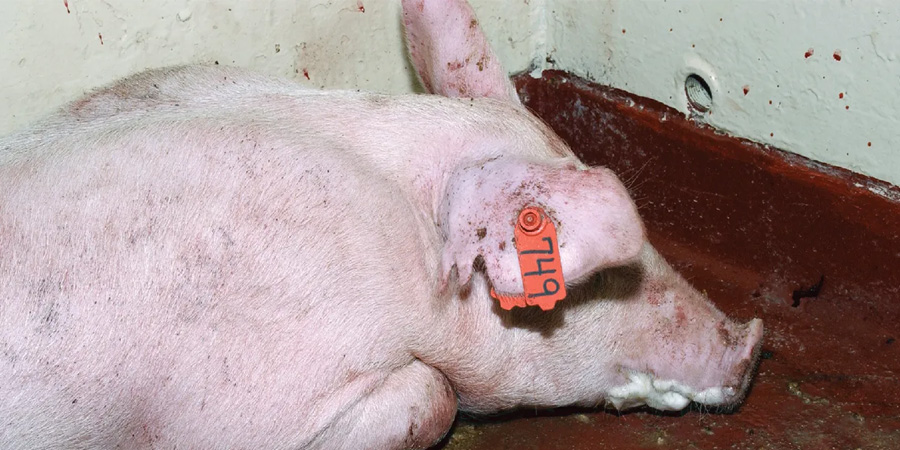
In May 2025, the World Organisation for Animal Health adopted their first international standard for African swine fever vaccines.
With this recognition, the global swine health community has formally acknowledged the role that ASF vaccines may play in controlling and mitigating the disease. This is a major step forward, as WOAH standards are the basis for regulations recognised by the World Trade Organisation for international trade in animals and animal products. These standards directly shape countries’ import and export regulations.
The Swine Health Information Centre is pleased to share this update provided by Andres Perez and Rachel Schambow from the University of Minnesota College of Veterinary Medicine, Centre for Animal Health and Food Safety.
Following the adoption of the standard, several countries asked WOAH to provide guidance for evaluating ASF vaccines in the field. In July 2025, WOAH convened a panel of experts from different regions and specialties to develop a set of guidelines. Perez served as a member of WOAH ad hoc group on ASF Vaccines: Field Evaluation and Post-Vaccination Monitoring.
Key points from these documents and relevant scientific publications include:
1. Current ASF vaccines use live attenuated (modified live) strains of the virus and are not inactivated or killed. This means some virus shedding is expected from vaccinated animals, and adverse side effects are possible. Countries will need to evaluate these potential adverse effects are against the potential benefits of using vaccines.
2. Due to virus shedding, the non-specific clinical signs of ASF, and the absence of a serological test to differentiate vaccinated from infected animals, it may be challenging to define what constitutes an ASF during vaccine evaluations or implementation.
3. Evaluating adverse side effects may be difficult and will require careful study design. Side effects can be expected from modified live vaccines, such as the ASF vaccine. Specific triggers such as specified levels of adverse signs or specific types of signs, should be defined in advance to support evaluation.
4. Governments and producers must define in advance whether the vaccine is being evaluated to reduce the impact of ASF or to eliminate it entirely. The design and requirements of field evaluations will differ depending on the intended goal.
5. Ongoing surveillance and monitoring of vaccinated animals are essential to asses adverse effects, monitor for reversion to virulence or recombination, and evaluate vaccine effectiveness over time.
6. Evaluations and trials should be transparent, with clear protocols, data sharing, and support through private-public partnerships.
The science around ASF vaccines continues to evolve rapidly. When these guidelines were drafted, only Vietnam and the Philippines had implemented field use of ASF vaccines, and only in pigs older than 10 weeks destined for slaughter. Since both countries are net pork importers, there is little information yet on how international markets might respond to vaccine use.
In this ever-changing space, this new standard and evaluation guidelines provide a framework for countries considering the use of ASF vaccines. Producers and veterinarians should stay engaged to understand how ongoing changes in ASF vaccine protocols and evaluation may impact them.
- National Hog Farmer


