


October 9, 2023
Malaysia's commercial RAS pioneer nears first barramundi harvest
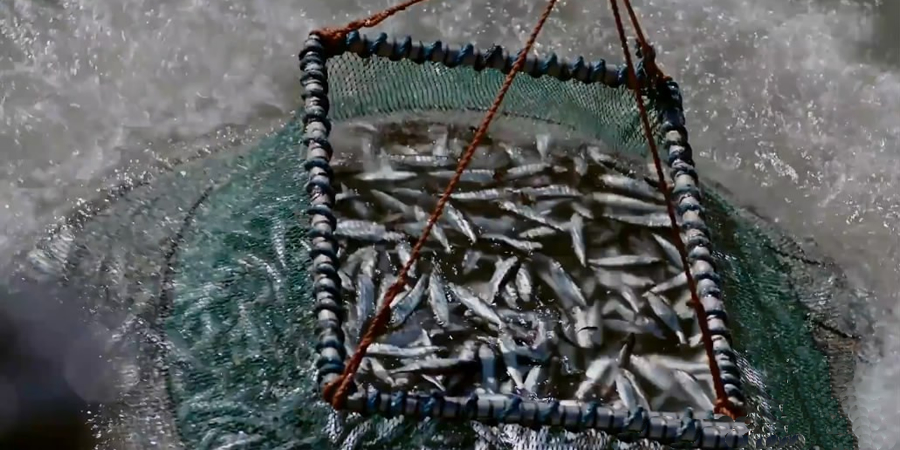
Kinabalu Lestari, operator of Malaysia's first commercial recirculating aquaculture system (RAS), is expecting to begin harvesting its first batch of barramundi within months.
The company, a joint venture of Borneo Lestari and Sawit Kinabalu, received US$18 million in funding from the Sabah state government when it launched in 2021. It has since built a functional RAS in Langkon, Kota Marudu, Malaysia, and placed its first fingerlings in its system in June 2023. Kinabalu Lestari general manager Irwin Wong told the Daily Express Malasia that the fish are growing well and on track for a six-month turnaround to harvest.
"The total culture time is about six months, faster than normal culture," Irwin said. "We know that even though the RAS system is a little bit more expensive and a little bit more technologically advanced and more complicated, it has a lot of benefits in the sense that it takes the uncertainty out of aquaculture."
Irwin said the project is using 20-foot shipping containers for its system and can run on solar energy, and through parent company Sawit Kinabalu, which specialises in agriculture and specifically palm oil and palm kernels, Irwin said it is developing a sustainable aquafeed. The company's goal is to create a "breakthrough in recirculating aquaculture system that could be mobilised anywhere in the world, in Sabah itself, or in Borneo," according to Irwin.
"It is a very efficient system," he said. "We are very confident, upon scaling up the system, we are going to achieve zero carbon footprint aquaculture, that is the second long term aim that we plan to achieve."
Irwin confirmed Kinabalu Lestari has three additional planned growth phases, with the eventual goal of reaching 1,000-1,500 tonnes of production annually. But he said the company would proceed cautiously to avoid taking on too much debt.
Irwin said the company chose to farm barramundi due to its resiliency in a wide variety of growing conditions and its marketability.
"[Barramundi] by nature is a white-fleshed fish preferred by the international market, it has got very huge followings in markets like Australia and New Zealand for fish and chips, for fish steaks and even for grilled fish," he said. "A second thing about [barramundi] is it has got a very suitable feed conversion ratio."
- SeafoodSource


