


October 8, 2024
Burundi strengthens livestock health and dairy production with IAEA support
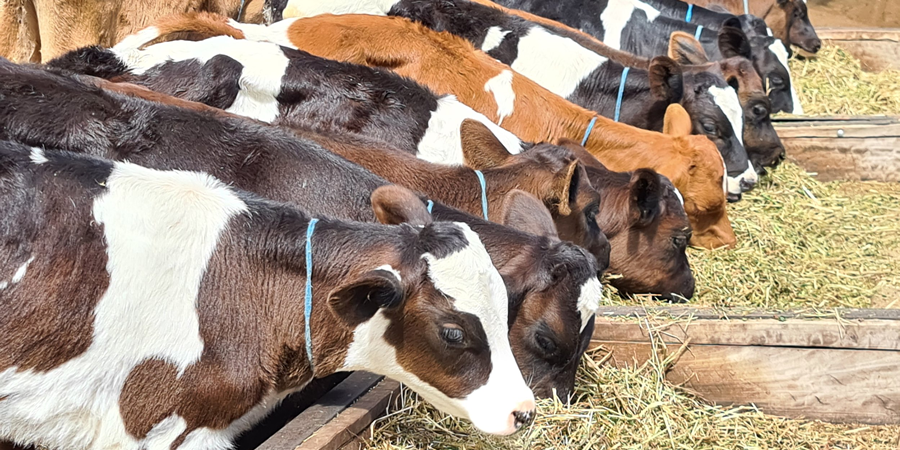
Burundi is improving livestock health and boosting milk production through enhanced disease prevention and cattle breeding programmes, supported by the International Atomic Energy Agency (IAEA).
With staff trained by the IAEA, Burundi's national laboratories are now processing a significantly higher number of artificial insemination and diagnostic samples, contributing to healthier and more productive livestock.
Livestock in Burundi faces risks from animal and zoonotic diseases such as foot and mouth disease, East Coast fever, and bovine tuberculosis. To address these challenges, the IAEA, through its joint FAO/IAEA Centre of Nuclear Techniques in Food and Agriculture, has upgraded equipment at the National Veterinary Laboratory and the National Centre for Artificial Insemination (NCAIGI). The agency also trained national staff in diagnostic techniques, including the use of PCR tests for disease detection.
As a result, the National Veterinary Laboratory can now process 10,000 pathogen samples annually, a significant increase from its previous capacity. This enhancement supports the early detection of contagious animal diseases, helping to prevent widespread outbreaks. In December 2021, trained staff detected a Rift Valley fever outbreak, identifying over 900 cases and 560 cattle deaths. Timely diagnosis enabled authorities to control the spread of the disease by vaccinating more than 700,000 cattle.
Mbazumutima Magnifique, a technician at the National Veterinary Laboratory, highlighted the impact of training on his work. "Before I was trained, I could not provide reliable results. With the new knowledge, I feel empowered, and it is much easier for me to perform advanced testing. Farmers now bring samples to check for diseases, adding value when results are negative. We receive over 500 samples monthly for analysis," he explained.
In addition to improving disease detection, the IAEA has helped build Burundi's capacity in artificial insemination services. This initiative aims to breed dairy cows with better genetic traits for higher milk production and environmental adaptability. Bulls with superior genetics are selected for breeding, increasing milk production in offspring. According to a University of Burundi study, milk output from these cattle has risen from an average of 1.4 litres per day to between 1.8 and 6.5 litres.
Shaukat Abdulrazak, Director of the IAEA Department of Technical Cooperation's Division for Africa, noted the positive impact of the programme. "The livestock sector is a pillar of the food system in Burundi and a significant contributor to poverty reduction, food security, and agricultural development. Since 2018, through IAEA support, Burundi has significantly developed its capacity in animal disease diagnosis and artificial insemination, contributing to the improvement of the livestock sector," he said.
IAEA training has also increased the number of qualified artificial insemination practitioners in Burundi. In 2022, they provided services to an estimated 25,000 farmers, with 15,764 inseminations performed, nearly double the figure from 2021. These efforts led to the birth of 3,697 calves, contributing to national milk production goals.
Burundi's success in this area has enabled the country to share its expertise with neighbouring nations. The National Veterinary Laboratory now trains staff from the Democratic Republic of Congo and receives more than 40 students annually, expanding its role as a regional hub for livestock health and productivity.
- International Atomic Energy Agency


