


October 6, 2023
University of Illinois leads project to sequence 400 soybean genomes for climate-resilient crops
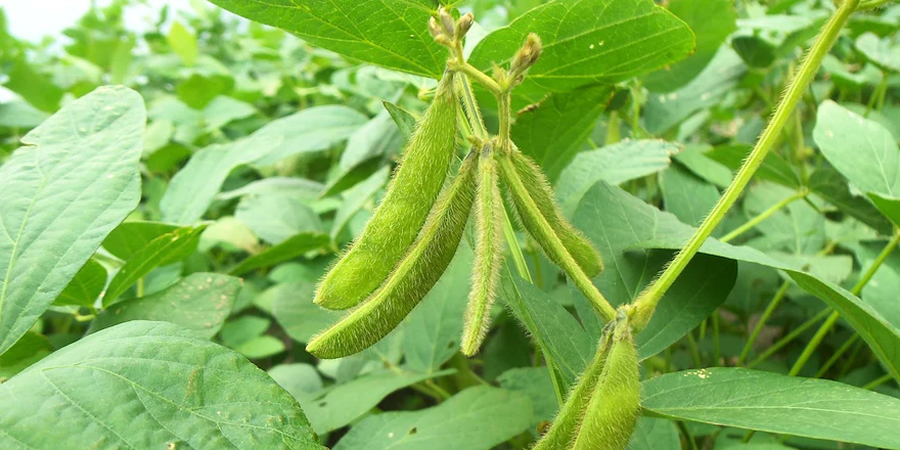
The University of Illinois Urbana-Champaign, in collaboration with the US Department of Energy Joint Genome Institute (JGI), is embarking on an ambitious project to sequence 400 soybean genomes, aiming to create a comprehensive "pangenome" that encompasses all useful genetic diversity within the soybean genome to bolster the crop's resilience and robustness, EurekAlert reported.
The soybean pangenome project will involve the sequencing and analysis of a minimum of 50 soybean genomes from cultivated lines and wild relatives, achieving reference quality sequencing, which is the gold standard in modern genomics. An additional 350 genomes will undergo high-quality draft sequencing by the JGI.
The selection will encompass a diverse range of soybean lines, including perennial relatives and those adapted to thrive in challenging environmental conditions, preparing the agricultural industry for a climate-resilient future.
Project leader Matt Hudson, a professor in the Department of Crop Sciences at the College of Agricultural, Consumer, and Environmental Sciences (ACES) at the University of Illinois Urbana-Champaign, highlighted the significance of this effort. He said that they want to identify all of the variation present within this diverse set of cultivated soybeans. Knowing details of all of the genetic variation should very much enhance and speed up the ability of crop breeders and biotechnology experts to identify important genes and incorporate them into better crops.
The collaborative project will involve the cultivation of selected soybean lines, with extracted DNA sent to the JGI for long-read sequencing as part of the JGI's Community Science Program. Hudson's team, in partnership with the University of Illinois' AIFARMS, will spearhead the analysis of the sequencing output, leveraging AIFARMS' capabilities in handling large datasets from agriculture projects.
By encompassing wild relatives and an extensive number of reference and high-quality draft genomes in the sequencing process, this project aims to significantly enhance the existing soybean reference genome.
Hudson drew a parallel with the initial human genome, which was constructed based solely on data from Caucasian individuals, highlighting the need for comprehensive representation of genetic diversity.
He said that there is an increasing effort to have the reference human genome reflect all of the variation in people, adding that they think there are equally big reasons to do the same thing in crops.
The project intends to engage the global soybean breeding community, including industry partners, to determine priority lines for inclusion. Ultimately, Hudson envisions that the project will enable deep analysis of the evolution and domestication of modern soybean and empower soybean researchers and breeders to directly select for otherwise hidden genetic variation in genes that can be targeted for variety development.
As soybean is becoming increasingly important as a worldwide crop, as well as being a key bioenergy crop, this project will have global impact and be particularly relevant to US agriculture.
- EurekAlert


