


October 5, 2023
New research to convert power plant emissions into aquaculture feed
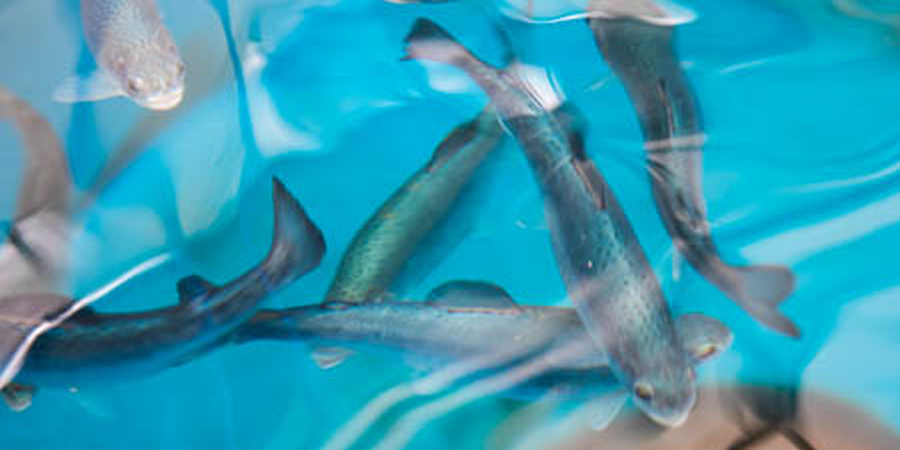
The US Department of Energy has allocated a US$2 million grant to support a partnership between UC Santa Cruz's ecological aquaculture research team and Global Algae Innovations, for a research that aims to look into the feasibility of using Spirulina microalgae, cultivated using carbon dioxide extracted from power plant emissions, as a viable feed ingredient for farm-raised rainbow trout, UC Santa Cruz Newscenter reported.
This initiative is one of seven nationwide projects that have collectively received US$16.5 million in federal funding. These projects focus on advancing technologies that combat greenhouse gas emissions by employing algae as a carbon sink. Algae possess the unique ability to absorb carbon dioxide waste and utilise it for growth, with resulting algal biomass being converted into animal feed, biofuels, and other valuable products.
Global Algae Innovations is at the forefront of this research, utilising captured carbon dioxide from flue gas, which comprises the exhaust from power plant combustion. They are employing this carbon dioxide to cultivate and process a microalga known as Spirulina sp, all while optimising energy efficiency and cost-effectiveness.
Pallab Sarker, assistant professor of Environmental Studies at UC Santa Cruz, will subsequently assess the resultant product to gain comprehensive insights into its biochemical characteristics. This includes an analysis of nutrients, anti-nutrients, minerals, and trace or heavy metals, in comparison to conventionally grown Spirulina.
Sarker's research extends to incorporating the product into an experimental fish feed formula to gauge its digestibility by rainbow trout. This investigation will also assess the taste preferences of the fish and determine how efficiently they absorb nutrients compared to conventionally grown algae. Ultimately, this collaboration seeks to identify methods to fine-tune the production of flue gas-grown Spirulina, optimising its potential as a fish feed ingredient.
Dave Hazlebeck, founder and chief executive officer of Global Algae Innovations, expressed his optimism about the potential of flue gas as a cost-effective source of concentrated carbon dioxide. This could play a pivotal role in scaling up commercial Spirulina production, especially as more efficient methods for capturing carbon dioxide directly from the air are developed. Should the ongoing experiments yield success, Sarker envisions Spirulina becoming a sustainable, high-performing protein source for rainbow trout, potentially replacing traditional fish feed ingredients like wild-caught fish products or terrestrial crops.
Sarker emphasised the importance of environmentally conscious aquaculture practices. He believes that when executed correctly, aquaculture can provide substantial environmental benefits. Through interdisciplinary collaboration and industry partnerships like this one, he envisions critical enhancements to this rapidly expanding sector, benefiting commercial fish farms in the near future.
- UC Santa Cruz Newscenter


