


October 5, 2023
South Africa culls 7.5 million chickens to combat avian influenza outbreaks
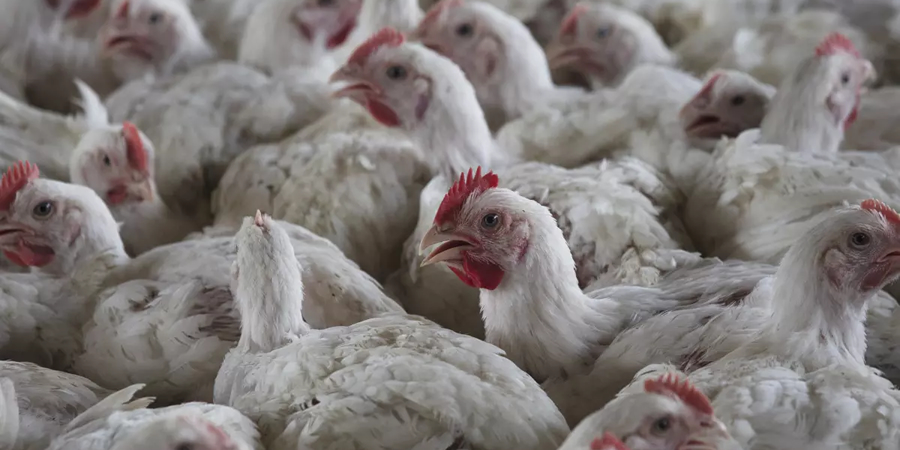
In a bid to curb the threat posed by dozens of avian influenza outbreaks, South Africa has culled approximately 7.5 million chickens to prevent potential shortages of eggs and poultry, an issue for both the government and the national poultry association, AP reported.
Avian influenza, which has already claimed the lives of at least 205,000 chickens across more than 60 outbreaks throughout the country, has been particularly rampant in Gauteng province. This province includes major cities like Johannesburg and the capital, Pretoria.
The repercussions of these outbreaks have begun to manifest in grocery stores in Johannesburg, where customers are now subjected to limits on the number of eggs they can purchase. These restrictions range from one carton of six eggs in some cases. Acknowledging the challenges in maintaining supplies, the government has taken swift action.
Officials have reported that roughly 2.5 million chickens, primarily raised for their meat, have been culled. Simultaneously, the South African Poultry Association has confirmed that an additional 5 million egg-laying chickens have been eliminated. Collectively, this culling accounts for a substantial portion, estimated to be between 20-30%, of South Africa's entire chicken stock, as stated by Izaak Breitenbach, the general manager of the South African Poultry Association.
In response to these challenges, the government is expediting the issuance of new import permits to companies, allowing them to bring eggs from other countries. Agriculture Minister Thoko Didiza said there is a need to ensure adequate supplies for consumers. Additionally, the ministry is contemplating launching a vaccination programme to halt the spread of avian influenza, as the number of affected farms continues to rise.
In a significant development, neighbouring Namibia has prohibited the import of chicken meat and eggs from South Africa.
These outbreaks have hit an industry already grappling with an electricity crisis. Breitenbach revealed that South Africa has faced three major bird flu outbreaks in recent years, with the latest being "by far the worst," resulting in losses of at least US$25 million for the industry.
To address the situation, vaccines would need to be imported, with hopes of them being ready for use in the next two to six months.
Wilhelm Mare, chairman of the poultry group in the South African Veterinary Association, warned that as many as 8.5 million egg-laying chickens could be affected, along with over 10 million birds in total. He expressed concerns about the prolonged impact of this situation, referring to it as "catastrophic" for the industry.
Global trends show a rise in bird flu outbreaks, with over 21,000 recorded worldwide between 2013 and 2022, according to the US Centers for Disease Control and Prevention. Fortunately, bird flu rarely infects humans.
Eggs are a vital and affordable source of protein in South Africa. However, egg prices have steadily increased this year. The shortages caused by bird flu are expected to further elevate prices, contributing to high food inflation for South Africans.
The South African chicken industry has been grappling with power shortages this year, leading to scheduled electricity blackouts to conserve energy. This situation has had a severe impact on businesses.
In January, South African farmers were forced to cull nearly 10 million young chicks due to record blackouts at the beginning of the year. These blackouts significantly slowed production and resulted in overcrowding on chicken farms.
The poultry industry has urged the South African government to impose permanent duties on countries such as Brazil, Denmark, Poland, Spain, and the US. This request stems from the industry's concerns about the "dumping" of cheap chicken products in South Africa, which poses a threat to local businesses.
- AP


