


October 4, 2023
Saudi Arabia aims for 80% food security in poultry and protein supplies by 2025
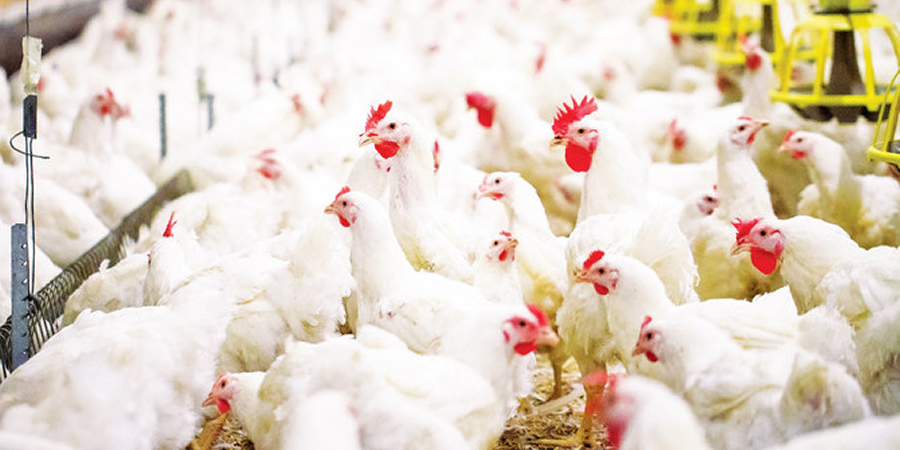
Saudi Arabia is setting ambitious targets to achieve 80% food security in chicken, poultry, and protein supplies by 2025, with a growing focus on hatching eggs to meet surging demand, Arab News reported.
Ahmed Osilan, managing director and executive board member at Tanmiah Food Co, said that recent agricultural and scientific advancements have positioned Saudi Arabia to export products it once had to import.
Osilan revealed that Saudi Arabia has already surpassed 100% food security in table eggs, enabling his company to explore international markets. He stressed that the last challenge to achieving 100% food security in Saudi Arabia is the cultivation of corn and soya within the country.
In 2018, Saudi Arabia had a self-sufficiency rate of 45% in food production, which has now risen to 67%, according to Osilan. Key to this growth is a shareholder agreement between Desert Hills Veterinary Services Co, a subsidiary of Tanmiah Food Co, and MHP SE, a food and agrotech group. This partnership involves a significant investment in agricultural activities, including a state-of-the-art hatchery and a chicken feed mill, expected to produce around 175 million hatching eggs annually.
Osilan said that this venture would not only ensure local production of hatching eggs but also significantly enhance food security in the country. Saudi Arabia has traditionally relied on imports for various stages of poultry production.
The next frontier in achieving food security is crop cultivation, particularly corn and soybeans, essential components of chicken feed. Saudi Arabia is employing advanced agricultural methods like vertical farming and cloud seeding, alongside wastewater reuse, to cultivate these crops.
Osilan believes that Saudi Arabia is on the verge of achieving the highest level of food security, which would not only benefit Saudi Arabia but also have positive implications for other Arab nations heavily reliant on food imports, including Lebanon, Algeria, and Morocco.
Crucially, Saudi Arabia is driving these initiatives independently, signalling its commitment to regional and global food security. Osilan highlighted that Saudi Arabia, with one of the world's highest per capita consumption rates of chicken, second only to the US and the EU, is well-positioned to meet rising demand for poultry protein due to its perceived health benefits.
- Arab News


