


October 3, 2023
Ongoing US study investigates taproot decline in soybeans
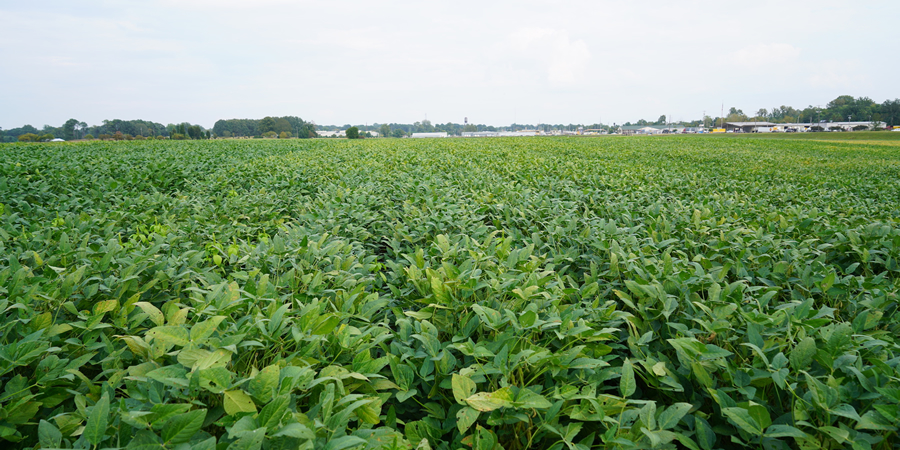
Researchers from the University of Tennessee Department of Entomology and Plant Pathology are currently in their third year of a comprehensive study focused on taproot decline, a disease that poses a significant threat to soybeans, The Rogersville Review reported.
Taproot decline is caused by the soil-borne pathogen Xylaria necrophora, which, when infecting a plant, leads to severe rotting and deterioration of the soybean's taproot system. This can ultimately result in the death of the plant and a reduction in end-of-season yields.
Given the limited knowledge about effective management strategies and the ongoing development of this disease, researchers are not only seeking long-term solutions but are also investigating its potential impact on regional agricultural economies and local environmental ecosystems.
Graduate research assistant Shelly Pate, who is pursuing a PhD in the Herbert College of Agriculture under the guidance of Professor Heather Kelly, is at the forefront of this research effort. Pate said that because taproot decline is an emerging pathogen for the state, researching its effect on plants and other organisms is key to understanding the full extent of its harm on ecosystems throughout the region.
Taproot decline was initially reported in the US in 2007. However, it was not identified in Tennessee until a decade later in 2017 when University of Tennessee Institute of Agriculture researchers in West Tennessee made the discovery. Despite its significant harm to plants, the fungus responsible for taproot decline is often misidentified due to symptoms resembling those of other soybean diseases, such as sudden death syndrome and stem canker. As a result, farmers across Tennessee are encouraged to regularly inspect their fields for signs of taproot decline.
The disease's initial indicators include foliar symptoms like yellowing leaves, which begin in the lower canopy of the plant and progress throughout the growing season. When a field is suspected of having taproot decline, further analysis should be carried out by removing an affected plant and examining its root system. A common sign of infection is root rot, often causing the root to break off at the soil line when the plant is removed. Additionally, stromata, which are the reproductive structures of the pathogen, known as "dead man's fingers," may be visible at the base of the plant, potentially overwintering on leftover crop debris. Farmers should also inspect the interior of the root for signs of taproot decline, including white fungal growth in the pith and browning of stem tissue. If the disease progresses, it leads to leaf rotting and, ultimately, the death of the plant.
Pate underscores the importance of farmers being vigilant about taproot decline. She said that not only is it a very harmful disease that can affect profitability, but their research relies on independent producers throughout the state who keep us up-to-date on the spread of the disease. By working together, they can figure out reliable solutions and protect the state-wide harvest from potential loss.
- The Rogersville Review


