


October 2, 2023
Pennsylvania, US poultry sector face challenges to coordinate response against infectious laryngotracheitis
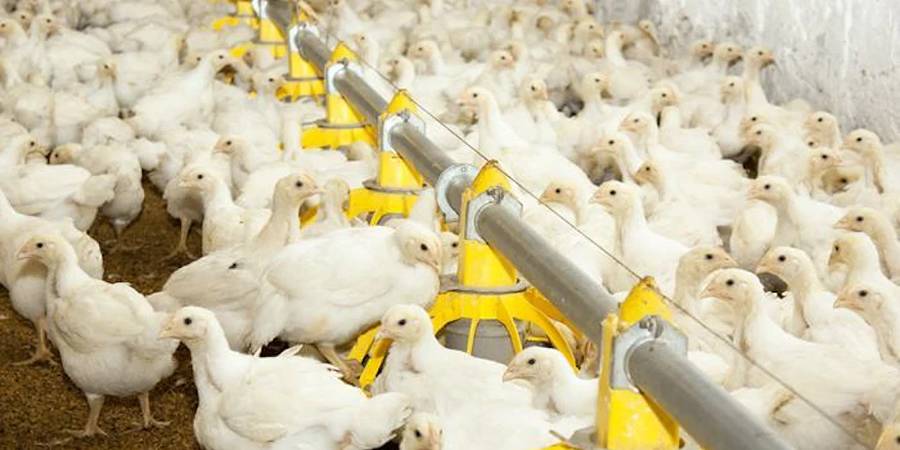
The poultry industry in Pennsylvania, US is facing challenges in coordinating its response to infectious laryngotracheitis (ILT), a bird virus, which sets it behind other states in effectively managing the issue, Lancaster Farming reported.
In contrast to states like Arkansas and the Delmarva peninsula, where a few major poultry companies dominate the industry and collaborate on local control strategies when ILT emerges, Pennsylvania's diverse production systems hinder an organised response.
Megan Lighty, an associate clinical professor at Penn State's Animal Diagnostic Laboratory, expressed the difficulties faced by Pennsylvania's poultry industry.
ILT, known for causing coughing, breathing difficulties, and poultry deaths, has emerged in various parts of the country over the past year. There have been 321 cases reported on Delmarva, 38 in Pennsylvania, and a few in other states.
Pennsylvania's poultry industry stands out for its limited vertical integration among the major poultry states. The state comprises numerous independent farms producing various types of birds. Unlike other states, Pennsylvania lacks company-dedicated veterinarians who are primarily based within the state.
Furthermore, Pennsylvania's farms often house multiple age groups of birds and do not move entire flocks simultaneously, making disease management more complex.
Despite these challenges, Pennsylvania has some key processes in place to combat ILT. Cases must be reported to the state Department of Agriculture, which may or may not take action in response. Poultry companies receive information about new outbreaks through organisations like the PennAg Industries Association and the University of Pennsylvania's veterinary school. These notifications help service technicians determine which farms to visit and assist in routing trucks carrying infected birds to prevent them from passing other poultry houses.
In states where poultry production is more centralised and connected to large companies, such as Arkansas, there is more effective coordination to combat ILT. Companies in these regions start vaccinating birds at around the same time and establish deadlines for slaughtering treated birds.
Coordination also occurs within companies, where strategies like assigning technicians to specific areas with higher ILT risk are implemented.
While biosecurity measures remain the best defence against ILT, Pennsylvania farmers are grappling with biosecurity fatigue after two years of heightened avian influenza concerns and prior concerns related to COVID-19. Educating farmers about the importance of house-dedicated footwear to prevent viral transmission to birds remains a priority.
Deirdre Johnson, a production veterinarian for Perdue on Delmarva, noted that revitalizing biosecurity practices is a constant challenge in the industry. Sara Throne, senior director of Veterinary Services at Simmons Foods, said it is important to make biosecurity practices engaging and fresh for farmers.
- Lancaster Farming


