


September 26, 2025
Growing fish demand drives aquaculture expansion in Cagayan Valley, Philippines
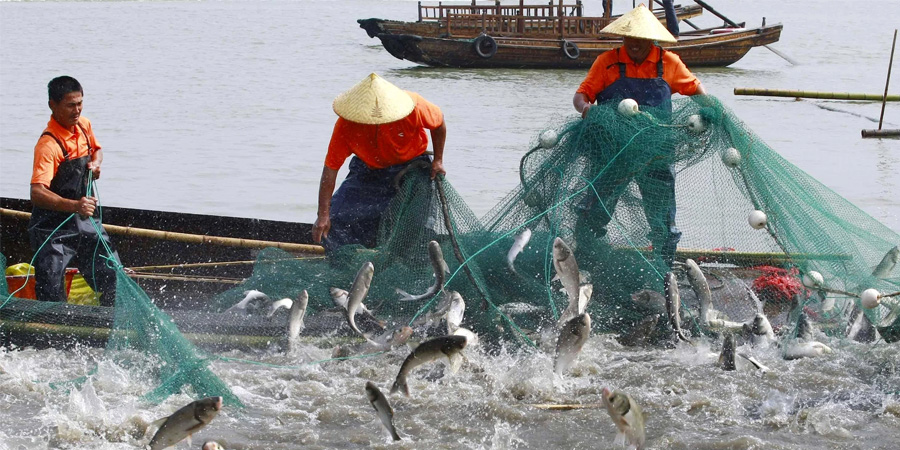
The Bureau of Fisheries and Aquatic Resources (BFAR) is ramping up aquaculture efforts across Cagayan Valley in northeastern Philippines to bridge fish supply gaps and support sustainable livelihoods.
With the region's fish sufficiency level at just 62.9 %, BFAR Regional Director Angel Encarnacion said the current supply falls short of the local demand, prompting the need to source fish from other areas such as Dagupan and nearby regions.
"While Batanes reports a surplus and Cagayan shows moderate sufficiency, provinces like Isabela, Quirino, and Nueva Vizcaya continue to rely heavily on external sources," Encarnacion said.
To reduce dependence on captured or commercial fisheries, which have seen a decline from 2023 to 2024, BFAR has been expanding technology demonstration sites and aquaculture production areas, encouraging more individuals and groups to engage in fishpond and fish cage culture.
One major initiative is the launch of a ₱1 Million (US$17,302.39) circular High-Density Polyethylene (HDPE) fish cage project in identified aquaculture zones. In Barangay Bessang, Allacapan, Cagayan, one HDPE cage unit was awarded to the local government and is now operated by the Bessang Small Water Irrigation System Association. BFAR provided the inputs, including tilapia fingerlings, feeds, technical support, and training.
After a four-month culture period, the project produced approximately 2.4 metric tonnes of marketable tilapia, sold at a farm-gate price of ₱110 (US$1.90) per kilo, yielding about ₱264,000 (US$4,567.55) in gross income for the first production cycle.
Beyond tilapia, BFAR is also promoting polyculture systems, where two or more species are raised in a single pond or cage, and has established various demonstration projects throughout the region. These have influenced hundreds of local fishers to adopt improved aquaculture techniques.
To further ensure the success of these initiatives, BFAR technical teams are actively visiting project sites to provide hands-on assistance and monitoring.
Additionally, registered fisherfolk and organizations under the Fisherfolk Registration (FishR) system have received support such as motorized and non-motorised boats, fishing gear, post-harvest facilities, and other essential inputs. Fish landing sites equipped with handling and storage facilities have also been established to minimize post-harvest losses and maintain fish quality.
BFAR's aquaculture push not only aims to fill supply gaps but also to improve rural incomes and strengthen local food security across the Cagayan Valley region.
- Philippine Information Agency


