


September 25, 2023
Marine heatwave sparks rise of sea lice in salmon in Scotland, UK
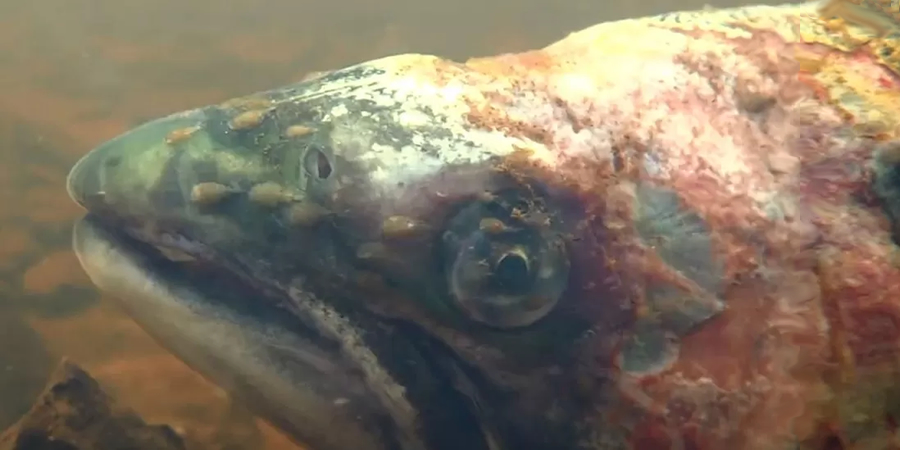
The waters of Scotland, the United Kingdom, have been gripped by an unprecedented Category 4 marine heatwave, causing mass marine mortalities since March this year.
For some of Scotland's salmon farms, the staggering five degree temperature increase has led to a proliferation of sea lice infestations.
A recent investigation uncovered alarming evidence on five farms, where fish were observed to be covered in sea lice.
"Marine heatwaves are becoming more frequent, widespread and lasting longer. This creates an optimal breeding environment for sea lice, leading to rampant reproduction," said Lex Rigby, head of investigations at Viva!, a vegan campaigning charity. "These parasites feed on the skin, mucus and blood of salmon, with millions potentially released into the wider environment."
While salmon farming was once seen as a potential solution to help wild stocks replenish, sea lice are now making it a problem as they're spreading from farms to wild salmon.
"Salmon farming was once hailed as a kind of salvation. Yet, as complexities unravel, we're witnessing a continued decline in both the numbers and size of wild salmon," said John Rowley Conwy, director of Klere, a sustainability consultancy.
The Scottish salmon industry said it prioritises the well-being of the fish and stresses the technology and innovation it uses against the sea lice.
But there are other threats that come from rising sea temperatures that are threatening salmon.
Jellyfish thrive in warmer waters and they can both sting the salmon and block their gills.
"Any rise in temperature is an extra stress, and any sudden big rise that gets beyond what the animals are used to can cause stress to the point where they will die," said Dr. Sevrine Sailley, an ecosystem modeller at Plymouth Marine Laboratory. "We could see mass mortality of aquaculture whether they be fish or shellfish."
- euronews


