


September 24, 2025
Philippines to import more pork amid production increase
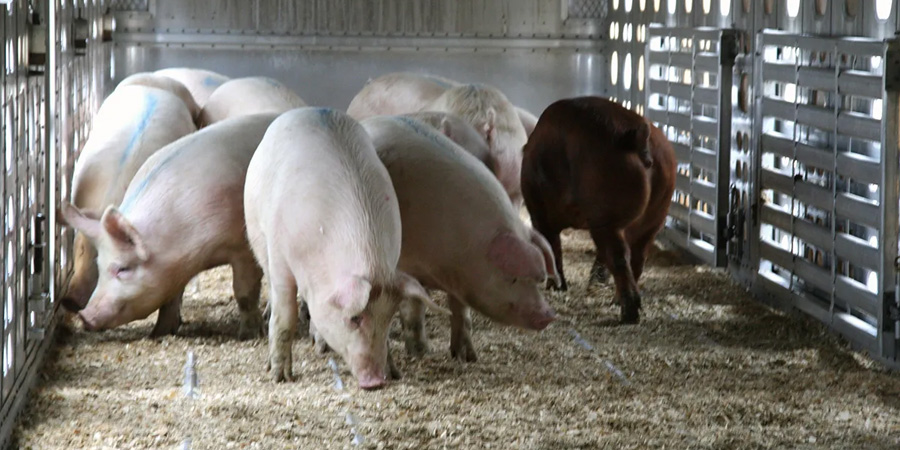
The United States Department of Agriculture (USDA) stated that the Philippines will import more pork in 2026, as demand is expected to continue outstripping domestic output amid a projected recovery next year.
The international agency expects local pork output to inch up by 2% to 980,000 metric tonnes (MT) in 2026, from its revised 2025 estimate of 960,000 MT, owing to the rollout of the African swine fever (ASF) vaccine and improved biosecurity measures.
However, its latest forecast is still lower than its initial estimate of 1 million metric tonnes, as it took into account the impact of ASF's resurgence in the second half of 2024.
"Contributing to the forecast production growth are expanded coverage of the government-controlled ASF vaccine rollout, heightened biosecurity measures implemented by swine industry, and adoption of better swine genetics among commercial farms," the USDA said in its latest report.
"Lower feed costs, particularly local corn and imported soybean meal, are expected to provide cost relief and enhance profitability."
Despite the expected rebound in pork output in 2026, the USDA said the country's pork imports could reach 750,000 MT next year. This is 7% higher than the estimated shipments in 2025 at 700,000 MT.
"Local production challenges, driven by an animal disease outbreak, combined with growing population demand, are expected to support increased importation," the agency said.
The USDA also noted that it revised upward its 2025 pork imports outlook by 17 % from 596,000 MT, owing to higher imports from Brazil, the country's top supplier of the protein source.
The Department of Agriculture (DA) granted Brazil system accreditation to export pork, beef, and poultry meat into the country last year, which expanded their access to the Philippine market, "supporting the forecast increase in imports for 2025 and 2026."
In the first half of 2025, the USDA said Brazil accounted for more than half of the country's pork imports.
Prior to system accreditation, the agency noted that only specific Brazilian meat establishments were authorised to export certain commodities to the Philippines.
With Brazil's pork export prices being consistently lower than those of other Philippine major trading partners, the USDA expects shipments from the South American country to grow.
"As a low-cost supplier, Brazil's pork shipments to the Philippines are expected to increase," the USDA said. "Industry contacts within the domestic food processing sector have acknowledged that Brazil's pricing advantage will continue to drive demand for its pork products."
- Business Mirror


