


September 20, 2024
Malaysian livestock sector moves forward with launch of strategic plan and new innovations
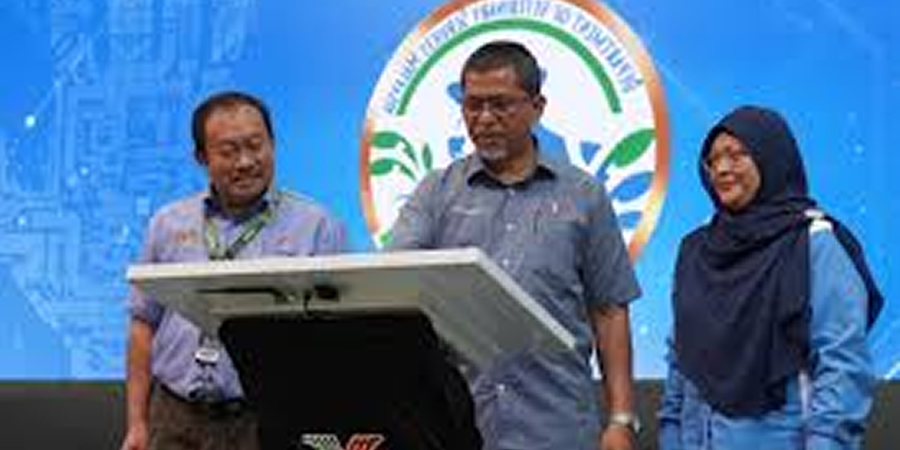
The launch of the Malaysian Livestock Breeding Strategic Plan, the Artificial Insemination Guidebook for Cattle, the Sire Catalogue, and the MyFeed application marks a significant milestone for Malaysia's livestock industry, Borneo Post reported.
The Malaysian Livestock Breeding Strategic Plan took centre stage, with the goal of empowering the country's livestock breeding sector. This plan outlines the future direction for the ruminant livestock industry, aiming to meet domestic protein demands.
Dr Suratan, Deputy Director-General (Development) of Malaysia's Department of Veterinary Services (DVS), emphasised the importance of the plan in securing the long-term food supply. He stated that the plan represents a strategic government move to enhance livestock production efficiency through modern breeding methods.
"The plan aims to reduce the country's dependence on imported livestock and products, driving efforts toward sustainable food security. It is not just a reference document; it is a long-term strategy to strengthen our livestock industry's position," Dr Suratan said. "We want to ensure that our country can produce enough protein to meet our people's needs, while increasing the income of farmers across the nation," he added.
The plan also supports the National Meat and Dairy Industry Strategic Plans, both of which are designed to boost the livestock sector's productivity and meet the targets set in the 12th and 13th Malaysia Plans (12MP and 13MP).
The Artificial Insemination Guidebook for Cattle was also launched as part of the government's efforts to support breeding activities. The guidebook is intended to assist farmers, insemination technicians, and students in understanding breeding techniques through assisted reproductive technology, specifically for cattle and buffalo.
"This guidebook is an initiative that takes into account the growing needs of the country's ruminant livestock industry. It is expected to become a primary reference for those involved in breeding activities, especially cattle and buffalo farmers looking to leverage artificial insemination technology," Dr Suratan noted.
The guidebook aims to help farmers understand the technology, which has been in use at the international level for some time and apply it to improve livestock yields.
In addition, the Sire Catalogue was introduced, providing a list of frozen semen from purebred livestock selected by the National Veterinary Biodiversity Institute (IBVK). The catalogue will offer farmers access to high-quality genetic materials for artificial insemination, enabling them to choose the best livestock breeds for breeding purposes.
"With the Sire Catalogue, our farmers can select the best livestock breeds for breeding. This will lead to better livestock quality, particularly in terms of meat and milk production," Dr Suratan said. The catalogue is also expected to serve as a key reference for researchers and industry players working to ensure optimal genetic quality.
A significant technological innovation unveiled at the event was the MyFeed application. This app is designed to help farmers manage livestock nutrition more efficiently. Through a mobile platform, MyFeed allows farmers to plan and calculate feed rations accurately, based on the animals' nutritional needs and the cost of available feed resources.
"This application is a step forward in ensuring that livestock nutrition management becomes more efficient. By combining smart technology and expert animal nutrition knowledge, MyFeed can significantly improve livestock health and productivity," Dr Suratan said.
Farmers using the app can ensure their livestock receive optimal nutrition, which in turn will lead to increased production of meat, milk, and other livestock products.
Alongside the launch of these strategic plans and technologies, 11 memoranda of understanding (MOUs) were signed between local companies and institutions and international partners. The MOUs, valued at MYR 242.75 million (US$57.8 million), involve collaborations in the agro-food trade and investment sectors.
- Borneo Post


