


September 20, 2023
Sri Lanka expects egg and chicken prices to decrease and stabilise next year
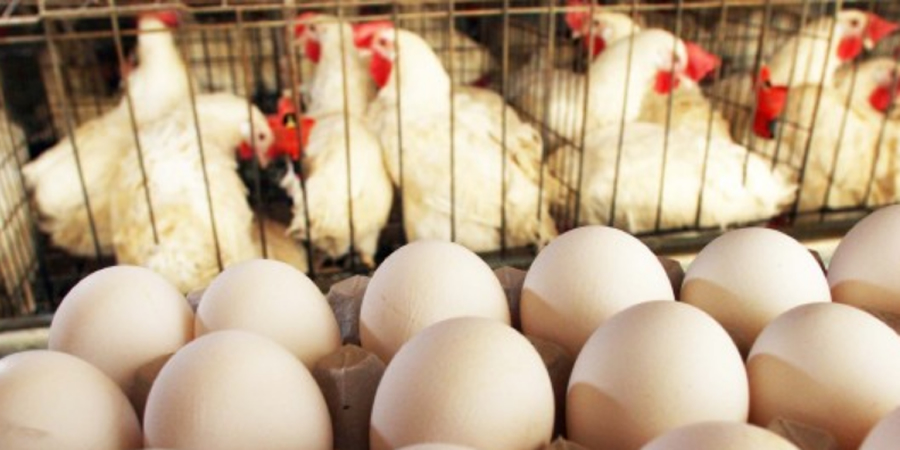
Sri Lanka's Minister of Agriculture, Mahinda Amaraweera, has expressed confidence that egg and chicken prices in the country will see a reduction in the coming year and maintain stability thereafter, Adaderana reported.
He also confirmed that there will be no need for egg imports starting next year.
Speaking at a press conference held at the Presidential Media Centre with the theme 'Collective Path to a Stable Country,' the Minister said that Sri Lanka's poultry and egg production industry, although self-sufficient, faced challenges due to reduced animal feed production caused by the COVID-19 pandemic and the economic crisis.
Minister Amaraweera noted that the entire poultry and egg production in the country is managed by the private sector, with the total chicken population across all farms exceeding 3,420,000. He highlighted that many of these chickens are expected to begin laying eggs by December, leading to a substantial increase in domestic egg production. Measures have been taken to allow industrialists to import corn for poultry feed production, which will benefit consumers in the future.
The Mid-term Livestock Development Programme has allocated LKR 37 million (~US$114,000; LKR 100 = US$0.31) to enhance livestock services in the Northern Province. Additionally, the Small and Medium Scale Poultry Development Project, focusing on producing one-day-old country chicken chicks, boosting rural egg production, and improving nutrition, has received funding of LKR 48 million (~US$148,000).
Before the COVID-19 pandemic and the economic crisis, Sri Lanka's annual chicken meat production reached 230,000 metric tonnes, resulting in a per capita chicken meat consumption of 11 kg per year. However, recent challenges and the pandemic have caused a 30% reduction in local chicken meat production.
Industrialists are optimistic that the production of chicken meat in the country can rebound to pre-crisis levels by the end of this year, thanks to the significant addition of broiler chickens to farms. Consequently, it is expected that chicken and egg prices will continue to decrease.
Sri Lanka's Ministry of Agriculture has prioritised livestock development and initiated various programs to support this effort, including promoting small and medium-scale farms, stimulating production, encouraging meat and egg exports, importing high-quality calves, developing and preserving grasslands, and boosting animal feed production.
Currently, Sri Lanka's daily egg requirement stands at 7 million eggs, but production has decreased by 50% due to the pandemic and economic crisis. Key factors contributing to this decline include reduced animal feed production, foreign exchange shortages for importing animal feed, and decreased local maize production.
There is currently an upward trend in chicken meat and egg production in the poultry industry, with approximately 6 million eggs supplied daily. While there is a current shortage of around 1 million eggs per day, it is anticipated that this deficit can be addressed over the next three months.
To achieve self-sufficiency in milk production, both short and long-term plans have been devised, including the National Dairy Policy spanning from 2023 to 2028. In 2021, Sri Lanka imported 82,087 metric tonnes of milk and milk-related products to meet domestic demand.
Additionally, 1,670 beneficiaries will receive facilities for grass and fodder cultivation and conservation to enhance productivity in small and medium-scale dairy farms, and 6 fodder and fodder processing centres will be established.
Under the National Artificial Insemination Service, 40,000 heifers and 164,836 cow sperms are produced and distributed annually to the cattle population. A project in collaboration with the Board of Investment will deploy 12,000 high-quality milk cows in the field, with an annual production target of 75 million liters of milk.
Furthermore, a large-scale animal production farm has been initiated at the Polonnaruwa Farm belonging to the National Livestock Development Board, with an investment of approximately LKR 250 million (~US$774,000)
- Adaderana


