


September 18, 2025
Nebraska reports first bird flu case in dairy herd amid ongoing US outbreak
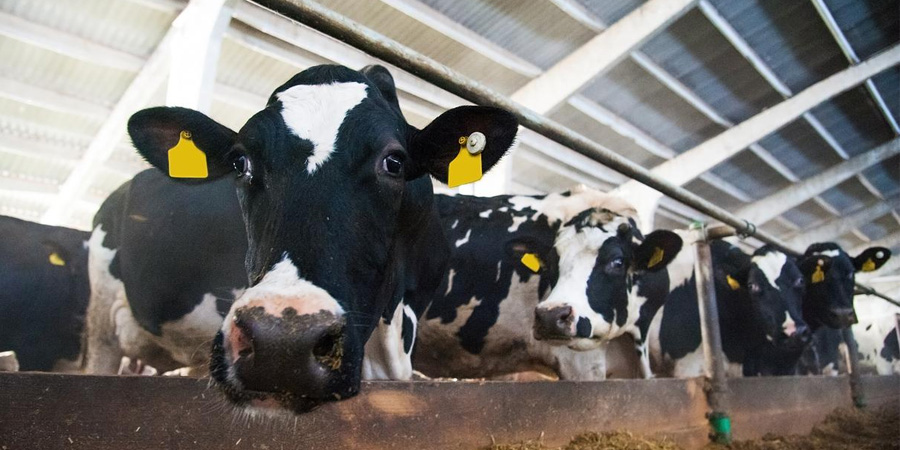
The US Department of Agriculture (USDA) announced on September 15 that Nebraska has confirmed its first case of bird flu in a dairy cattle herd, as the 18-month-long outbreak continues to impact livestock nationwide.
The state's department of agriculture, aided by the USDA's Animal and Plant Health Inspection Service, said in a press release that it had confirmed the case of highly pathogenic avian influenza in a central Nebraska herd and that the herd had been quarantined.
Though decelerating, cases of H5N1 bird flu have now been confirmed in more than 1,000 herds across 17 US states since the virus was initially found in dairy cows in March 2024, according to the USDA, including cases this year in Texas, Arizona, Idaho, Nevada, Michigan and California.
The National Veterinary Services Laboratories said the strain resembles one found in California, the department said, adding that with care, dairy cattle typically recover with little to no associated mortality.
According to the USDA, the discovery was confirmed as a result of Nebraska state tracing and investigation after "initial detection from pre-movement surveillance milk samples."
While the threat to humans remains low, the continuing spread of the virus to dairy cattle and other mammals could indicate it's edging toward becoming communicable among people, a development that a University of Pennsylvania professor has described as "like a pandemic unfolding in slow motion."
Scott Hensley, a professor of microbiology at the school, told USA TODAY the announcement wasn't unexpected given the virus's ongoing circulation among cattle.
"It will be important to determine if the Nebraska herd represents a new bird-to-cow infection, or if the virus was brought into the state by an already infected cow," he said.
At least 70 people have been infected with the virus nationwide, including 41 exposed to the virus by dairy cows. Symptoms are similar to the common flu, including fever, chills, body aches, sore throat, eye irritation and tiredness.
The virus most commonly spreads among wild birds but can also infect poultry, livestock and other mammals, including goats, coyotes and opossums. An outbreak among chickens earlier this year prompted an extensive egg shortage.
Infection can lower a herd's milk production by about a fifth, according to dairy industry experts.
Among those most at risk of infection are farmers, animal care providers such as veterinarians, and other workers exposed to infected animals or animal products.
In early January, a backyard flock keeper hospitalised with bird flu in Louisiana became the first person in the United States to die of the disease after contracting the virus's D1.1 variant. The individual was older than 65 years old and was reported to have underlying medical conditions.
- USA Today


