


September 18, 2024
Global poultry market shows strong growth amid challenges
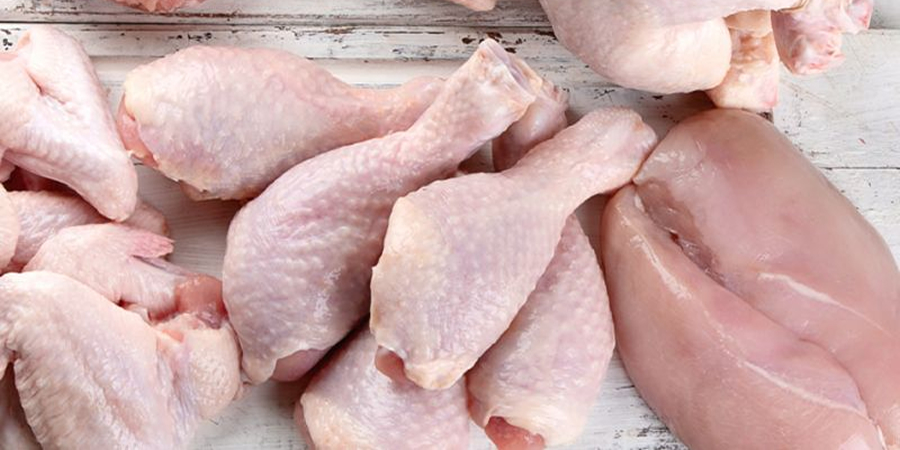
The global poultry market is expected to experience significant growth in 2024, according to RaboResearch's latest animal protein report, Meat + Poultry reported.
After several years of slow progress, poultry consumption is forecast to rise by 2.5% to 3%, reaching historic levels.
Nan-Dirk Mulder, senior analyst for Animal Protein at RaboResearch, stated that poultry's competitive pricing compared to other proteins, coupled with strong retail demand, recovering foodservice demand, and increasing sustainability efforts, are key factors driving this growth.
"Strong price positioning and rising demand in various sectors support rapid growth in the poultry industry," Mulder said.
The report highlights that lower production costs and the recovery of demand in many markets provide a favourable environment for the global poultry industry. However, some regions face challenges.
Rapid production growth, combined with economic difficulties and declining consumer confidence, has led to oversupply issues in China and Japan. This has resulted in lower prices and rising stockpiles. Both countries saw significant drops in chicken imports during the first half of 2024.
Despite these exceptions, most global markets are balanced, and trade is expected to remain healthy through the second half of 2024. The report predicts a rise in demand for chicken, though volatility remains a concern. In China, weak demand will likely put pressure on chicken feet prices, while breast meat and processed chicken prices are expected to remain stable, especially in Europe and Asia.
In advanced economies like Europe, the US, and Japan, consumption is anticipated to continue growing. This trend is driven by improved affordability and demand for value-added products, such as processed chicken. However, risks remain, including trade tensions.
Trade between Asia and Europe faces pressure due to geopolitical tensions in the Middle East and rerouted trade via South Africa, which incurs longer transport times and higher costs.
"For the outlook, the main wild cards will be animal diseases and geopolitical tensions. Both can suddenly impact global trade flows," Mulder said.
The report also highlighted the continued risk posed by avian influenza. Although its impact on the poultry industry has been less severe this year compared to 2023, it remains a threat.
Brazil, a key exporter, saw an outbreak of Newcastle disease at a Rio Grande do Sul farm, leading to export bans from major importers such as Japan, China, Saudi Arabia, and South Africa. Although no new cases have been reported, close monitoring is advised.
The European Union reported its lowest number of avian influenza outbreaks since July 2019, and South Africa has remained free of outbreaks in commercial farming, with full recovery in chicken production. However, the US continues to experience outbreaks, significantly impacting its egg industry. As winter approaches in the Northern Hemisphere, the risk of new outbreaks is expected to rise.
"In a context with ongoing high risks, such as animal disease, feed price volatility, and geopolitical tension, supply growth discipline is important to maintain balanced market conditions," Mulder cautioned. "Otherwise, bullish market conditions could lead to overexpansion, similar to what has been seen in China and Japan."
- Meat + Poultry


