


September 16, 2024
Nigerian farmers trained on sustainable feed management and livestock production
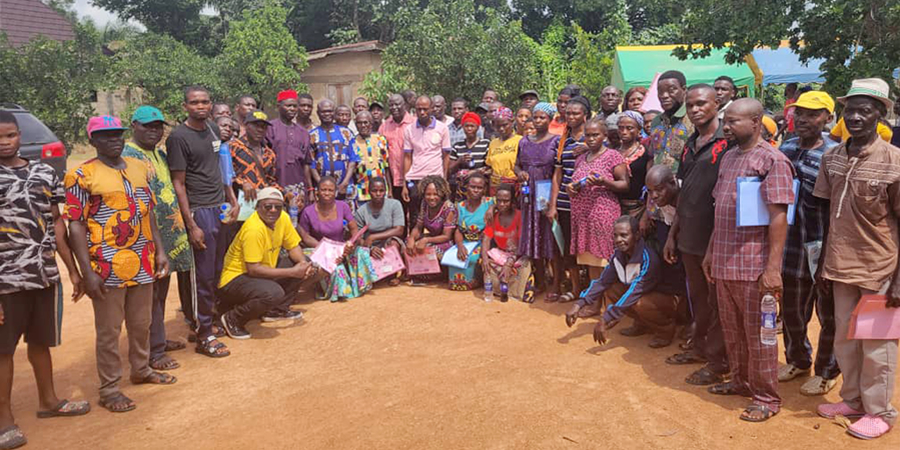
Nigeria-based Danida Fellowship Alumni in collaboration with the Royal Danish Embassy in Nigeria has organised a training workshop for Nigerian farmers focused on sustainable feed management and livestock production, Nigerian Tribune reported.
The workshop brought together farmers and key stakeholders to improve agricultural practices in Nigeria.
The Chief Veterinary Officer of Nigeria, Dr Columba Vakuru, represented by Dr George Uzoaga Onyemauwa, opened the event by highlighting the importance of the workshop's theme, "Sustainable Feed Management and Livestock Production in Nigeria." He stressed the relevance of this topic due to the need for increased food production, particularly food of animal origin, to meet the demands of the country's growing population.
Dr Vakuru emphasised that sustainable feed management and livestock production are critical for ensuring food security, environmental protection, and economic viability in agriculture. He noted that these practices involve optimising the use of resources such as water, land, and nutrients to produce animal feed efficiently.
"It includes farming techniques like crop rotation and using cover crops to maintain soil health," Vakuru said. He also mentioned the value of incorporating non-traditional feed ingredients, such as agricultural by-products, food waste, and insect protein, to reduce dependence on conventional grains and lessen environmental impact.
He further explained that balancing the nutrient content in animal feed to suit the specific needs of different livestock species is vital. This approach reduces waste, improves feed efficiency, and lowers both costs and environmental impact.
Dr Vakuru also pointed out that feed costs account for a significant portion of livestock production expenses, ranging from 50% to 70% of total costs. In some cases, such as poultry and pig farming, feed expenses can make up as much as 80% of production costs.
"This highlights the necessity of sourcing high-quality, affordable feed ingredients, alongside implementing proper processing and storage methods to avoid nutrient loss and contamination," Vakuru added. He warned about the dangers of contamination from toxins, insecticides, herbicides, and fungi like Aspergillus, which produces harmful aflatoxins.
In her opening remarks, Sidikat Jumoke, one of the national coordinators of the Danida Fellowship Alumni, underscored the importance of sustainable feed management in optimising livestock production. She linked these practices to the Sustainable Development Goals (SDGs), particularly SDG 1 (No Poverty), SDG 2 (Zero Hunger), and SDG 12 (Responsible Consumption and Production), all of which are connected to climate change and food security.
Jumoke stressed that agriculture is the backbone of Nigeria's economy and food security, and the adoption of sustainable practices is essential for improving livestock health, productivity, and overall food security. She encouraged participants to apply the knowledge gained from the workshop to boost agricultural productivity while minimising environmental impact and improving livelihoods.
Ezeudegbunam Eucharia, another national coordinator of the Danida Fellowship Alumni, elaborated on the focus of the workshop, which aims to combat hunger and increase food production. She outlined the key components of the workshop: antimicrobial resistance, livestock production and good practices, climate change, and feed and fodder.
- Nigerian Tribune


