


September 13, 2023
Pork industry group urges US to tackle trade barriers imposed by IPEF countries
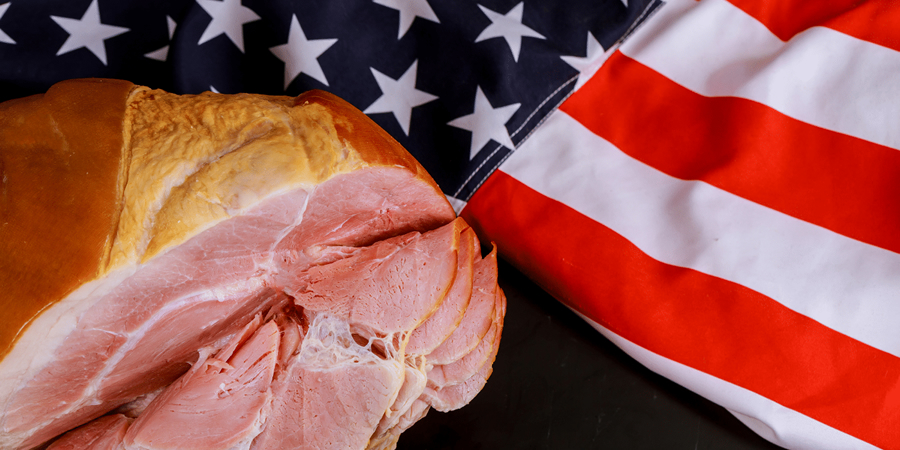
The United States' National Pork Producers Council (NPPC) has urged US trade negotiators to continue to raise unwarranted food safety, animal health and technical barriers that some Indo-Pacific Economic Framework for Prosperity (IPEF) countries have which limit market access for US pork.
The NPPC's request came as IPEF representatives were to meet on September 11-17 in Thailand.
The US launched the regional initiative more than a year ago to forge closer economic ties among the 14 countries that make up the IPEF — Australia, Brunei, Canada, Chile, Fiji, Japan, Malaysia, Mexico, New Zealand, Peru, Singapore, South Korea, Vietnam and the US. The countries have completed four rounds of talks on four broad areas.
In the trade area, negotiators have agreed as a negotiating objective only "to seek to craft high-standard, inclusive, free, fair and open trade commitments that build upon the rules-based multilateral trading system."
US pork producers — who rely heavily on exports, shipping over 25% of last year's total production worth nearly US$7.7 billion to foreign destinations — are concerned the talks won't address tariffs and market access issues, including sanitary and phytosanitary measures, that restrict their exports, the NPPC said.
US pork exports were described to have faced depressed exports into Asia for decades due to regulations and technical barriers to trade which are inconsistent with international trade rules. NPPC's priority during these negotiations is to have nations agree to reasonable, science-based sanitary and phytosanitary standards and eliminating unjustified technical barriers, the organisation added.
In the IPEF talks, the US pork industry has raised the non-tariff barriers of several countries, including:
- Australia limits US pork for the retail market to products that are heat-processed or frozen and boneless for further processing because of what it claims are risks associated with the transmission of porcine reproductive and respiratory syndrome (PRRS) virus to the Australian swine herd. The restrictions, NPPC has pointed out, are inconsistent with international standards and scientific findings showing that pork trade does not increase the risk of transmitting PRRS;
- The Philippines requires cold storage for imported meat, including pork. Domestically produced meat is exempt from the requirement, which suppresses demand for US pork and violates World Trade Organization rules related to non-discriminatory treatment of imports;
- Vietnam restricts imported white offal (for example, intestine, spleen and tongue) first through a ban on the product and now through an inconsistent approval process for allowing it into the country, the NPPC alleged. In early 2014, Vietnam rescinded the import ban on white offal — it lifted a ban on red offal in 2011 — but required paperwork for importation. Many US companies have completed the paperwork but are still awaiting approval from the Vietnamese government.
Successful IPEF negotiations on issues related to supply chains, clean energy and climate change and taxation and anti-corruption also may improve trade in the region, the NPPC said.
The organisation stated that it looks forward to the successful conclusion of an agreement that addresses the myriad of trade-limiting issues faced by the US pork industry.
A level playing field in the region would give US pork producers access to the IPEF's 1.5 billion consumers and US$40 trillion of GDP, the NPPC added.
- NPPC


