


September 13, 2023
Researchers part of Australia's biggest trial to investigate path to market for dairy beef
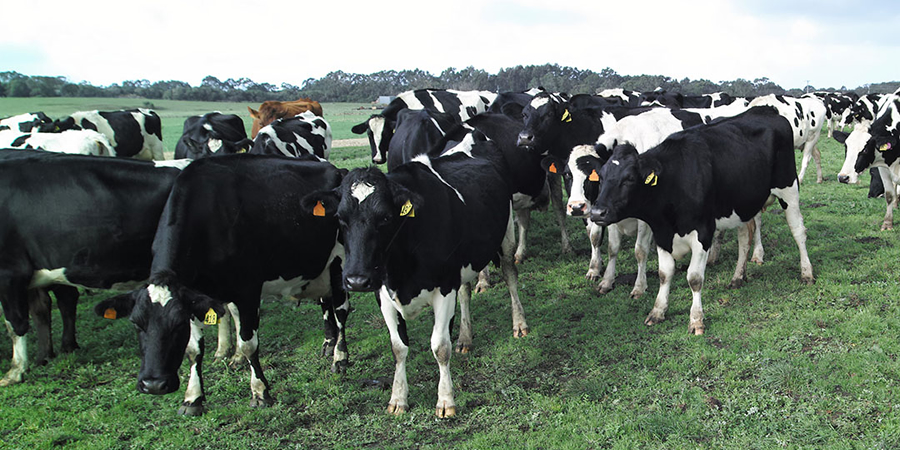
Charles Sturt University researchers are part of the largest trial in Australia to investigate and demonstrate a path to market for dairy beef.
The research is called "Creating a dairy beef supply chain to increase the value and volume of beef and veal products," which is also known as the Dairy Beef project.
Over almost five years, Charles Sturt was involved from inception to completion, conducting growth studies at the university's research feedlot in Wagga Wagga.
The university's Red Meat Innovation Centre coordinated the southern component of the consumer sensory trials, with more than 1,600 consumers tasting dairy beef samples to give their opinion on its juiciness, tenderness, flavour and overall likeability.
Professor of Veterinary Physiology and Animal Science at the Charles Sturt School of Agricultural, Environmental and Veterinary Sciences in Wagga Wagga, Professor Jane Quinn, said the project was co-designed with dairy producers and industry experts.
"This study examined impacts of breed and production pathway on carcass specifications and eating quality of dairy beef," Professor Quinn said. "The results showed that there can be an effective and valuable pathway for surplus dairy calves in Australia and that these calves could produce a high value carcass with high eating quality."
Non-replacement calves, or 'bobby calves', are a by-product of the dairy industry. These calves used to be culled after birth, but these practices are now rare.
Professor Quinn said a viable production pathway to grow these calves out to be a valuable product for the producer has become increasingly necessary.
"The results showed that there could be valuable and effective pathways to market for a Holstein or Holstein cross calf and that these calves produced a carcass that ate as well, or in some cases better, than traditional beef animals while meeting market specifications," she said. "There were some findings that need further work, including how best to manage veal carcases for optimal shelf life, but there is always more work to be done."
Professor Quinn said the impacts of this study were three-fold:
- Producers can have increased confidence that growing out male dairy calves to feedlot entry weight is a viable use of time and resources;
- Industry has now identified a productive value chain to support producer decisions around their male non-replacement calves;
- Consumers can be reassured that both a high quality and high welfare meat product is produced for their consumption.
The research will be showcased at the Charles Sturt site at the Henty Machinery Field Days (HMFD) later this month.
Professor Quinn said the HMFD was an important industry event to showcase Charles Sturt's role in the agricultural sector being central to delivering innovative solutions for difficulty sector challenges.
"Most people don't think about how the meat they eat gets onto their plate, but this research was a great example of how we can meet high welfare and high production targets by utilising the production by-product (in the nicest sense) from another industry," she said. "This is a win for dairy, a win for beef and a win for the consumer."
The study was funded by Meat and Livestock Australia, Dairy Australia and industry partners, including Teys Australia, Manildra Group and Casino Food Co-Op.
- Charles Sturt University


