


September 11, 2025
US pork industry pushes back against Brazil's trade barriers
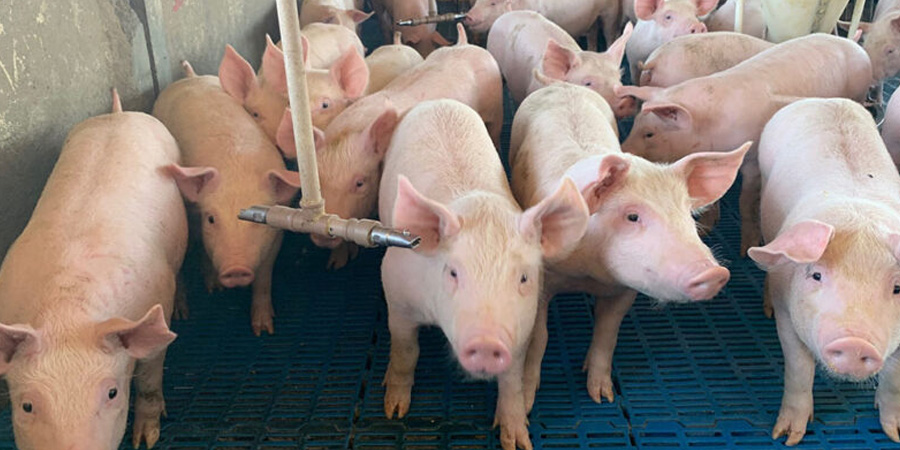
The US pork industry is calling on the Office of the US Trade Representative (USTR) to take firm action against Brazil over what it considers unfair barriers to American pork.
National Pork Producers Council (NPPC) vice president of government affairs Maria C. Zieba, testified in support of opening a Section 301 investigation to address the issue.
Zieba highlighted that Brazil is ignoring its obligations under the World Trade Organization's Sanitary-Phytosanitary (SPS) Agreement. The country imposes restrictions on imported pork products that are more stringent than those on domestic products. Brazil justifies these measures as animal health and food safety protections, but NPPC argues that the restrictions lack scientific basis.
One major concern is Brazil's requirement that US pork be frozen or tested for trichinae. According to NPPC, US biosecurity programmes have already reduced trichinae risk to negligible levels, making Brazil's requirements unnecessary and in violation of SPS rules.
Another issue raised is Brazil's refusal to finalise an export certificate that would allow US pork shipments. This comes despite the United States recognising Brazil's own request for regionalisation of Foot and Mouth Disease, which has allowed pork from Santa Catarina to enter the US.
NPPC argues that Brazil has effectively created a ban on US pork, limiting access to one of the world's largest pork-consuming markets. At the same time, Brazilian pork exports to the US have grown significantly—from US$5.2 million in 2014 to more than US$104 million in 2024, an increase of over 1,900 percent.
"Brazil's trade barriers are unjustified and harm American producers," Zieba stated in her testimony. NPPC is urging USTR to eliminate these restrictions so US pork—fresh, frozen, and processed—can reach consumers in Latin America's largest economy.
- National Farmers


