


September 10, 2025
The Philippines to import 55,000 MT of fish products
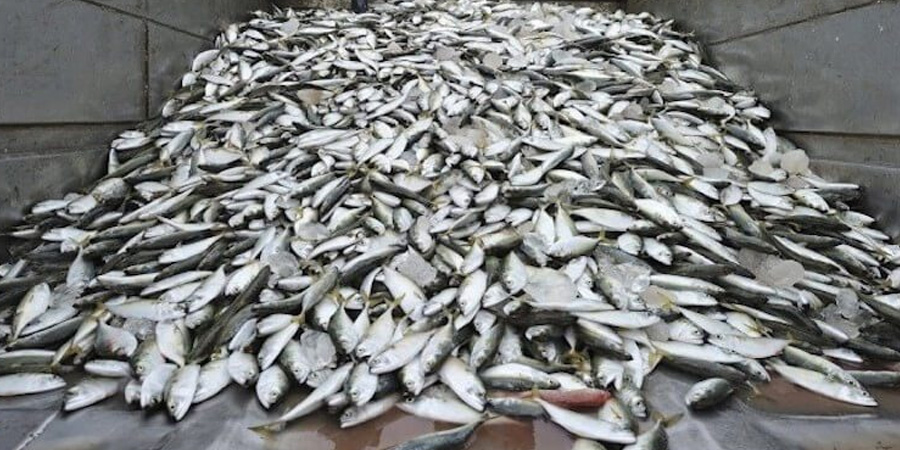
The Philippines plans to import fish and seafood to stabilise supply following recent typhoons and ahead of the upcoming closed fishing season.
Agriculture Secretary Francisco Tiu Laurel Jr. signed Memorandum Order 47, which stipulated the guidelines on the implementation of the certificate of necessity to import (CNI) 55,000 metric tonnes (MT) of frozen fish for wet markets covering the period of October to December.
An initial minimum import volume (MIV) of 112 MT will be allocated to commercial importers, while the initial MIV for fisheries associations and cooperatives will be 56 MT.
Additional import volume for the commercial fishing sector will be determined based on their respective percentage share in the total volume of fish landings.
The remaining balance for fisheries cooperatives would be distributed proportionately based on their percentage share from the total arrivals of imported fish under Fisheries Administrative Order (FAO) 259 by association or cooperatives from the immediately preceding importation period.
In addition, 2,000 MT will be allocated to accredited importers recognised under the Kadiwa system.
The Kadiwa system is a government-led marketing initiative in the Philippines designed to connect farmers and fisherfolk directly with consumers, cutting out middlemen to offer affordable, locally produced food.
Only registered importers under FAO 259 can participate in the importation program under CNI 55,000 MT.
The order noted that the issuance of import clearances will begin on September 15 to ensure the timely arrival of shipments at the start of the closed fishing season.
In a separate document, Laurel also issued MO 46, authorizing the importation of 22,000 MT of various frozen seafood. The CNI covers the period September to December.
Such an import order followed the National Fisheries and Aquatic Resources Management Council (NFARMC) recommendation to "provide a wider range of choices of affordable fish" and "cater to the market demand."
Overall, the importation allows the entry of 56 fish products of various species.
The approved fish species to be imported under the CNI are alaskan pollock, anchovies, barramundi, capelin, chilean seabass, cobia cod-black cod, whiting, croaker, crustaceans, dolphin fish, eel, emperor, fish meat, flounder, fusilier, gindara, gourami, and grouper.
Also allowed to be imported are gunard, haddock, hairtail, hake, halibut, hamachi, hoki, largesnout goby, mackerels, marlin, mollusks, pangasius, plaice, moonfish, mullet, nile perch, octopus, oilfish, and pomfrets.
The Department of Agriculture also approved the importation of ponyfish, rabbitfish, red snapper, red bream, salmon, sardines, sea bream, sillago, smelt, squid, sweetlips, swordfish, threadfin bream, torpedo scad, trout, trevally, tuna, and yellowtail sole.
Those who can participate in the importation under CNI 22,000 MT should be accredited for at least one year before the issuance of the order, or registered importers under FAO 259 who participated in any previous CNI.
- Business Mirror


