


September 10, 2024
Government official highlights critical role of India's veterinarians as country's livestock industry grows
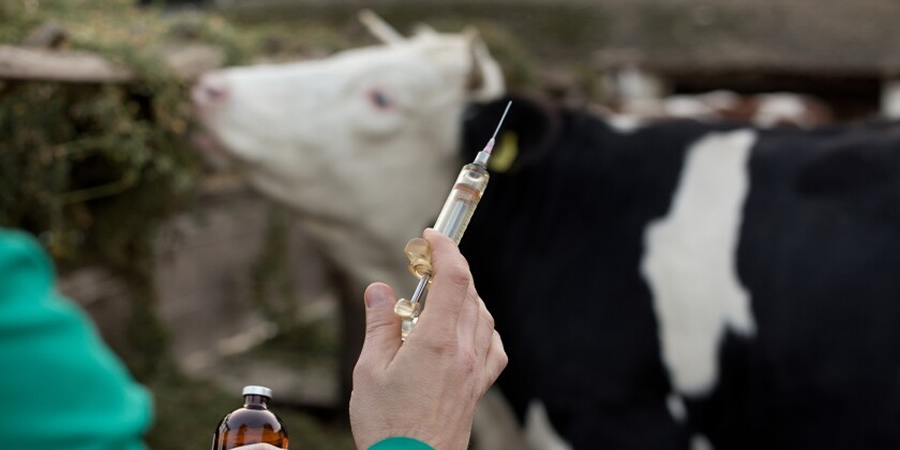
India's veterinarians are set to play a critical role in tapping new opportunities and tackling emerging challenges as the country's livestock sector expands to absorb the anticipated demand for animal-sourced foods, both domestically and globally, said Abhijit Mitra, India's Animal Husbandry Commissioner.
Delivering the 25th Graduation Day address at the Rajiv Gandhi Institute of Veterinary Education and Research (RIVER) recently, Mitra said as the livestock sector continues to expand, the role of veterinarians would become increasingly important in ensuring sustainable and responsible livestock production.
"Your contributions will be instrumental in safeguarding animal health, protecting public health, and promoting the well-being of our environment," he said.
Mitra added: "Meat production will need to increase by about 76%, and milk production by around 65% from current levels — an additional requirement of about 200 million tonnes of meat and 800 million tonnes of milk per year."
In India, the livestock sector has witnessed an extraordinary growth with a compound annual growth rate (CAGR) of 12.99% annually between 2014-15 and 2022-23. The contribution of the livestock sector to agricultural gross value added (GVA) has seen a significant increase from around 25% in the early 2000s to over 30.23% in recent years, reflecting a growth of nearly 23%.
"This growth underscores the critical role of this sector in enhancing farmers' incomes and ensuring food security highlighting the sector's increasing importance within the broader agricultural economy," Mitra said.
According to projections by the NITI Aayog, by 2050, India's demand for animal-sourced food is anticipated to rise significantly.
Economic and demographic shifts, such as a 24% population increase, a 7.5-fold rise in income levels, and greater urbanisation with 55% of the population residing in urban areas, will drive this change in dietary patterns. This means that calorie intake from animal-sourced foods is expected to double, reaching 16%. Additionally, demand for meat, fish, and eggs is projected to surge by 205%, while demand for milk products is likely to grow 3.7 times faster than that for food grains.
Noting that the scale of such expansion presents both opportunities and challenges, Mitra said the veterinary community's expertise would become crucial in addressing emerging issues like zoonotic diseases and antibiotic resistance, as well as ensuring animal welfare.
- The Hindu


