


September 8, 2023
Chile plans separate laws for fishing and aquaculture
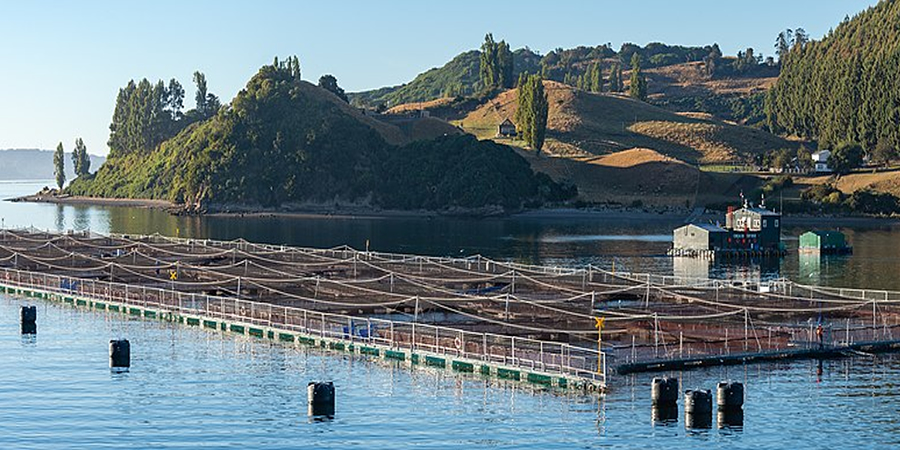
The Chilean government intends to revamp regulations under a unified national fisheries law after consultation with stakeholders from the aquaculture sector throughout September, with an anticipated bill presentation in the fourth quarter of 2023, SeafoodSource reported.
In particular, Chile's burgeoning salmon-farming industry, which raked in an impressive US$6.6 billion in 2022, faces the difficult task of harmonising operational growth with environmental responsibilities.
Chilean President Gabriel Boric, who assumed office in March 2022, has made fisheries law reform a priority, leading to increased scrutiny and regulation within the aquaculture sector. Recent discoveries of regulatory breaches have prompted restrictions on industry expansion.
Over the past decade, Chile's aquaculture production has enjoyed an annual growth rate of about 3%. However, the newly imposed constraints threaten to cap production capacity, making significant investments a tough sell, according to Adolfo Alvial, an aquaculture consultant and founder of ORBE XXI consultancy and Chile's Aquaculture Innovation Club, a body aimed at supporting the country's aquaculture sector.
Alvial welcomes the government's decision to consider separate laws for fishing and aquaculture, stating that the current amalgamation has resulted in a convoluted regulatory framework that is challenging to navigate. He said that further action is required to establish an institution with sufficient resources to ensure law compliance becomes a practical reality.
Aside from the existing fisheries law, various governmental bodies, including the national fishing service Sernapesca, environmental oversight agency SMA, and the Undersecretary of Armed Forces, all exert regulatory influence over the industry.
Chile's aquaculture sector faces additional hurdles in terms of innovation, or rather the lack thereof. Julio Salas, Chile's Undersecretary of Fisheries and Aquaculture, has echoed these concerns, emphasising the necessity for new technologies, exploration of uncharted territories, and territorial consensus in areas where aquaculture activities are conducted.
The impending legislation must create room for aquaculture expansion and relocation, a critical point made by Loreto Seguel, executive director of the Chilean Salmon Council. Several salmon farms have faced restrictions or been instructed to relocate after their sites were designated as national parks or protected zones. Regrettably, no relocation permits have been issued by the government over the past 12 years.
Chile's salmon sector plays a pivotal role in the nation's economy, generating around 70,000 jobs, particularly in rural areas, and supporting over 4,000 small and medium-sized enterprises. In certain rural regions, the sector contributes to a substantial 18 percent of GDP.
- SeafoodSource


