


September 7, 2023
Study reveals dominance of a few species in global aquaculture production
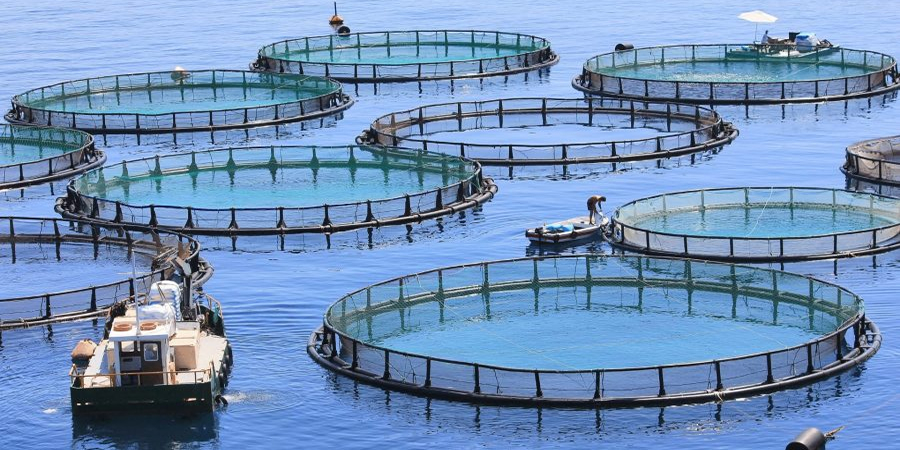
A comprehensive study on species diversification in aquaculture has uncovered that while there are 448 species involved in global aquaculture production, a staggering 90% of this production revolves around only 46 species, and only 10 of these species contribute approximately half of the total production, Global Seafood Alliance reported.
Published in the journal Aquaculture, this research, conducted by a collaboration of scientists from the Food and Agriculture Organization of the United Nations (FAO), the US National Oceanic & Atmospheric Administration, the Chinese Academy of Fishery Sciences, and the University of Hawaii, examined aquaculture species diversification at global, regional, and national levels. The study spans seven decades from 1950 to 2020, focusing on the period from 1990 to 2020, utilising aquaculture production statistics from the FAO Global Aquaculture Production Statistics 1950–2020.
Aquaculture has the potential to bolster global food system resilience through species diversification, enhancing aquaculture growth and sector sustainability. Facing challenges like climate change, disease outbreaks, and market fluctuations, diversification is an endorsed strategy by both policymakers and scientists.
Despite this potential, promoting new species often faces hurdles, including technical difficulties, limited markets, and institutional constraints. When promising species compete for resources and markets, market forces tend to concentrate production on a few dominant species.
Species diversification offers efficiency, as multiple species can be cultivated in the same system, adapting to different environments and seasonal variations. Economically, diversification counters market saturation and broadens the market base. Importantly, it enhances resilience against climate change, diseases, and market fluctuations.
The choice between species diversification and concentration varies by country and its aquaculture development stage. In-depth case studies are crucial for evidence-based policymaking and effective sector management.
Dr Junning Cai, an aquaculture officer at FAO and the study's first author, said that steering the aquaculture sector toward sustainable diversification requires decision-makers to understand these intricate dynamics and foster an environment conducive to both growth and diversity. The study's insights provide guidance, but case studies are essential for evidence-based policymaking and effective sector management.
- Global Seafood Alliance


