


September 6, 2023
Livestock surveillance system in Wales, UK advances after successful pilots
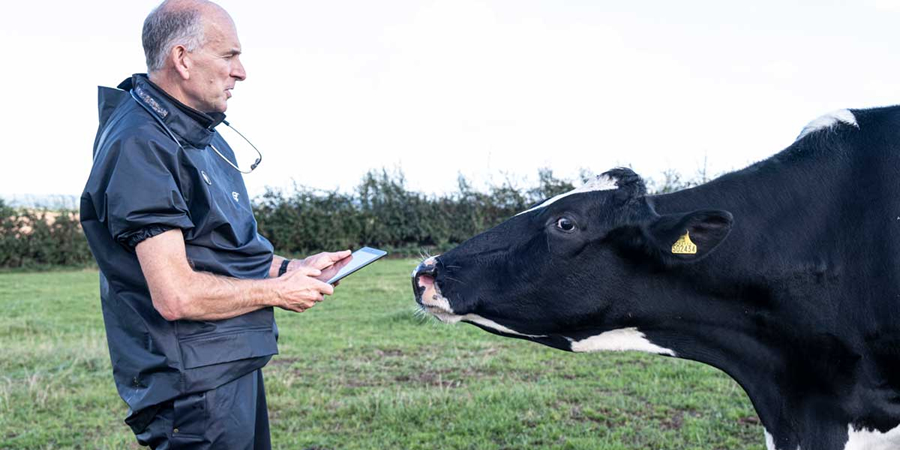
Welsh officials said that a national surveillance system for Welsh livestock farming showed promising results, bringing the development of a national livestock surveillance system one step closer, Vet Times reported.
Following successful pilot programmes involving six veterinary practices, the Practice Syndromic Surveillance Data Collection Project has garnered hundreds of submissions. The feedback and experiences gathered from these tests have set the stage for further refinements to simplify the system, with the aim of attracting more veterinary practices across Wales to participate.
This initiative is part of the broader Arwain DGC programme, which promotes responsible antimicrobial usage. It is being spearheaded by the Wales Veterinary Science Centre (WVSC) in Aberystwyth, in collaboration with veterinary delivery partner Iechyd Da.
Robert Smith, a vet from Iechyd Da, said that by continuing to develop and simplify the processes initiated by the pilot project, the prospect of setting up a network of sentinel practices or personnel across Wales to collect this important surveillance data becomes more feasible.
The surveillance system operates by collecting data on disease symptoms from a network of veterinarians throughout Wales. This approach allows for the monitoring of livestock populations' health, enabling veterinarians, farmers, and other stakeholders to be promptly alerted to potential disease threats. This early warning system can aid in preventing outbreaks or further disease spread.
While various data collection methods are currently employed in practices across Wales, officials argue that the broader implementation of this surveillance system aligns with "one health" goals by reducing the use of antibiotics to treat diseases.
They also point to the impact of similar systems in other countries, such as Germany and the Netherlands. Surveillance programmes in these nations led to the discovery of a new disease, subsequently named the Schmallenberg virus, in 2011.
WVSC centre manager Jon King said that reduced disease incidence and targeted prevention will contribute to the reduction in reliance on antibiotics and other antimicrobials, and slowing the development of antimicrobial resistance.
The pilot programmes focused on two methods: one involving the use of a handheld device by Farmvet Systems to record data directly into practice management systems, and the other based on a redesigned version of the University of Liverpool's FAVSNET system. In the latter approach, veterinarians recorded findings as usual before uploading relevant data into the system at their practice.
Nearly 1,000 data submissions were made across these two protocols during the pilot phase, setting the stage for the system's continued development. Officials aim to simplify data collection methods further and enhance consistency to encourage more widespread participation by veterinarians and practices across Wales, making the system a valuable tool for all stakeholders.
There is interest in exploring the possibility of collecting antibiotic usage data from the visit information inputted by practices. Identifying syndromes associated with high antibiotic use could enable targeted disease control measures to reduce antibiotic use.
The pilots may not have revealed significant data trends, but they demonstrated the feasibility of real-time data collection by farm veterinarians in the field. They also underscored the importance of avoiding disruptions to existing workflows during busy periods, such as lambing and calving seasons, when introducing new systems.
- Vet Times


