


September 5, 2023
EU swine prices experience steady decline
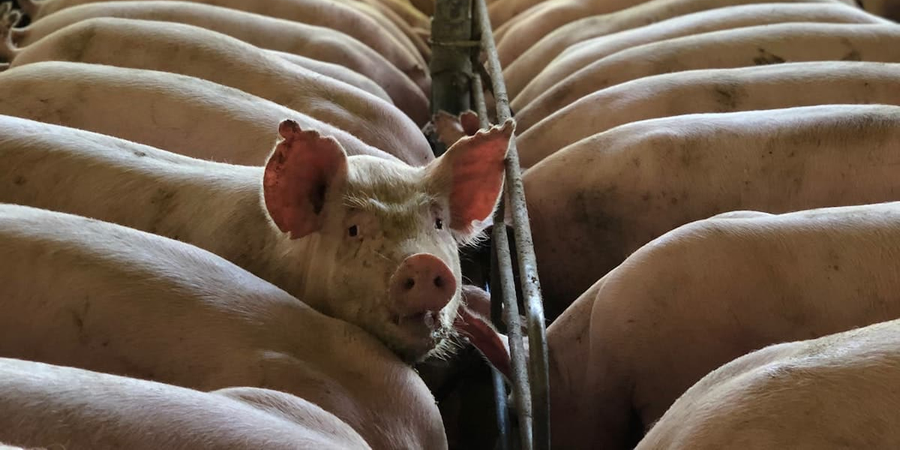
EU swine reference prices, which peaked at a record high of 215.47p/kg in late July, have been steadily declining, losing just over 12p/kg in four weeks due to easing demand, as swine kill rates remain low in the EU, UK Agriculture and Horticulture Development Board reported.
Reports indicate oversupply in some regions due to unfavourable summer weather, limiting the BBQ market.
The higher swine prices have led to an increase in the unit value of exported products, resulting in a wider differential between the EU reference price and the UK reference price, which reached 19.5p/kg in the week ending August 20. This marks a return to more typical trends seen in recent years, compared to the historically low price difference in previous months.
Price declines have varied across the region. Poland experienced the most significant drop, with prices falling by 20.7p over the reporting period. Danish swine prices, on the other hand, have remained relatively stable since early June, with both positive and negative weekly movements resulting in only a 1.3p/kg decrease.
Belgium, France, Germany, and the Netherlands have seen price drops ranging from 10–15p/kg in the four weeks ending August 20, with the most significant changes occurring in the final week. Spain witnessed slightly smaller movements, with prices decreasing by nearly 8p in the last four weeks, over 4p of which occurred in the most recent week.
Despite the easing prices, they remain significantly higher than those observed a year ago. Swine producers across Europe have faced similar financial pressures to their UK counterparts, primarily due to soaring input costs last year. While input costs have eased in recent months, they are expected to remain historically high due to the global economic recovery post-COVID-19 and ongoing geopolitical tensions. This has led to industry adjustments, including abattoir closures.
There are concerns that the UK market may follow the price trends seen in the EU, given their close connection. However, the UK market appears to be more balanced, with tight supplies and stable demand, especially as the peak pork demand period of Christmas approaches.
Lower EU prices have increased the competitiveness of the region's exports. If UK prices remain steady, the easing EU prices could attract more import demand, both domestically and globally.
Supply will remain a key factor, as EU production is forecasted to decline year-on-year for the second consecutive year in 2023. This may limit the decline in EU values, especially compared to international producers like the USA and Brazil, which currently have prices well below the EU and UK.
- UK Agriculture and Horticulture Development Board


