


September 5, 2023
US cattle herd continues destocking as slaughter rates impact beef production
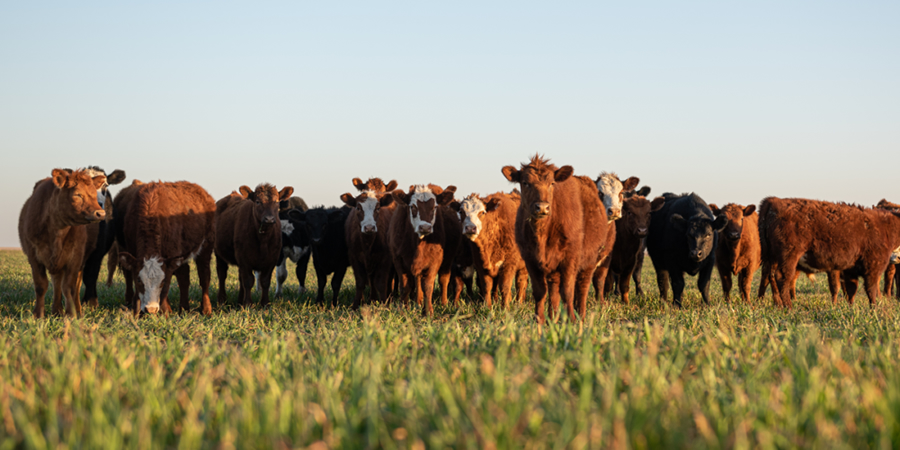
The US experienced a female cattle slaughter rate (FSR) of 51.5% this year, indicating an ongoing destocking trend within the US cattle herd, while simultaneously, overall cattle slaughter in the US has decreased by 28% year-to-date, with female, bull, and steer slaughter declining at similar rates, The Mirage reported.
This suggests that cattle production in the US is on a downward trajectory, likely to persist for several years. Certain regions in the US continue to grapple with drought conditions or insufficient rainfall to restore pasturelands. Moreover, high cattle prices serve as an incentive for producers to sell cattle, aiding in the recovery of their financial balance sheets following years of comparatively lower prices.
Dairy cattle slaughter rates have remained relatively high, experiencing only a 22% decline this year, while beef cattle slaughter has dropped by 35%. This distinction has significant implications for Australian exports, given the unique roles beef cattle and dairy cattle play in the supply chain.
Beef cuts from forequarters of beef breeds in the US compete with Australian exports in North Asian markets. Conversely, Australian beef often serves as a substitute for American dairy cattle beef in the domestic ground beef market within the US.
The substantial reduction in beef cattle slaughter, coupled with significant decreases in steer slaughter, has begun to impact American export volumes to North Asian markets. US exports to China, Japan, and South Korea recorded a year-on-year decline of 14.5% in June, marking the most significant drop in exports this year.
In contrast, Australian beef imports to China, Japan, and South Korea witnessed a 28% year-on-year increase in June. In recent years, a surplus of American beef has pushed US exports well above average levels, while Australian exports have remained relatively low. The shrinking supply of US beef is expected to bolster demand for Australian beef in North Asian markets, particularly in Japan and South Korea, where Australia and New Zealand are the largest exporters.
Relatively higher dairy cattle slaughter rates in the US have ensured a consistent supply of trim and leaner beef. Consequently, despite a substantial 60% rise in Australian beef exports to the US, the outlook for manufacturing beef exports to the US remains highly favorable, with increasing demand anticipated.
In the coming months, a clearer picture of international supply dynamics is expected to emerge. Extensive stockpiles of frozen beef across North Asian markets have slowed supply chains and dampened demand, while the US FSR continues to signal herd destocking. As beef inventories gradually deplete and female slaughter rates in the US continue to decrease, supply levels in Australia's key markets are poised to decline, likely leading to increased demand for Australian beef exports.
- The Mirage


