


August 31, 2022
Recovery and growth for Indian dairy as government plan poises to further develop industry
An eFeedLink Hot Topic
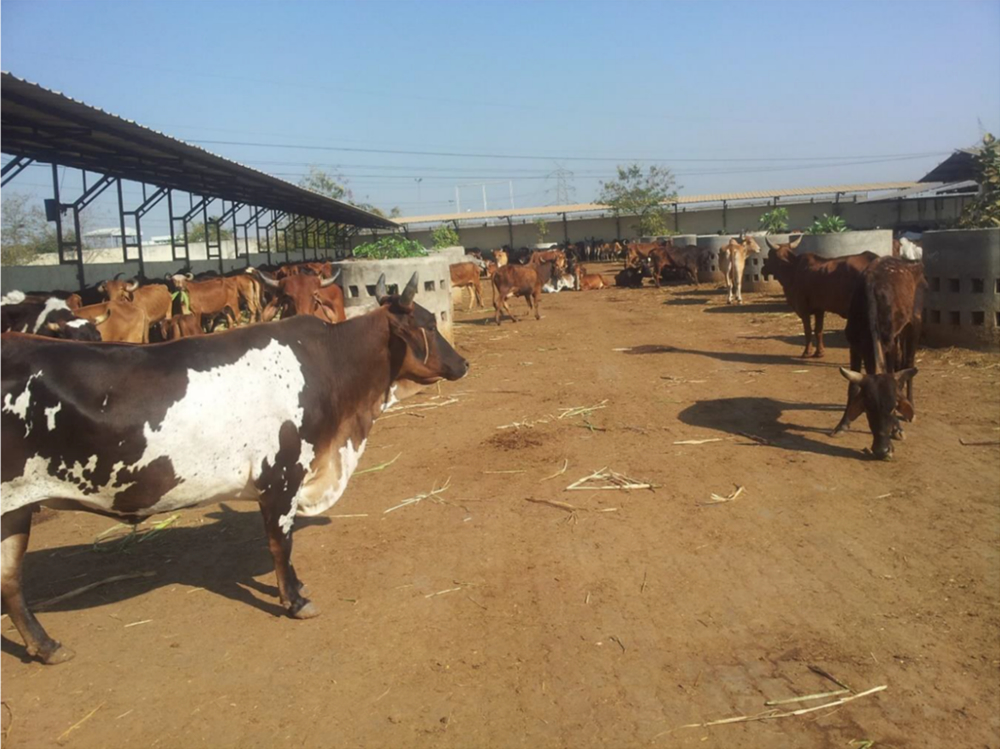
India produced 210 million tonnes of milk during the 2021-22 fiscal year, with small farmers being the biggest beneficiaries of the dairy sector.
Dairy contributes 5% to the economy of India and employs 80 million dairy farmers. A recovery of economic activities, rising per capita consumption of milk and milk products, changing dietary preferences and rising urbanisation in the country have driven the dairy industry to grow by 9% in the 2021-22 period. The industry has since witnessed a steady recovery in consumption across end segments since the COVID-19 pandemic hit the nation.
India's organised dairy segment, which accounts for 26-30% of the overall dairy industry (by value), has seen faster growth, compared to the unorganised segment. Growth in the liquid milk segment, which accounts for over half of the dairy industry, is likely to remain stable at 6-7% in 2022. The majority of value-added dairy products categories are estimated to grow by 13-15% this year.
Skimmed milk powder prices are likely to improve, with an expected recovery in demand during festive seasons. This will lead to the liquidation of stocks in this financial year.
Raw milk procurement prices, which were subdued last year due to weak demand, have increased in the current fiscal, supported by a recovery in demand.
Strengthening India's milk production on the national level
In the meantime, the second phase of India's National Dairy Plan (NDP-II) — which will focus on helping smaller milk unions to strengthen their marketing efforts and tackle adulteration in milk — is likely to be finalised soon. The World Bank's support of the plan comes in the form of grants and soft loans but the extent of aid is likely to be limited to seven states and not the entire country. The grant is split evenly between both the Indian government and the World Bank as both parties contribute equally to the project.
In NDP-Phase 1, India received 90% of a soft loan from the World Bank. The size of the NDP-Phase II is likely to be in the range of US$160-200 million.
The second phase of the plan would focus on enhancing testing mechanisms of milk and digitising milk tankers to control adulteration in transit and manure management. The project could support co-operatives with ethnoveterinary medicine used for common diseases. It could also focus on earlier activities like improving village coverage and adding more farmers to the cooperative network.
With an outlay of US$300 million, the NDP-I was implemented over a period stretching from March 2012 to November 2019 across 18 major dairying states in India. It focused on enhancing the productivity of milch animals and providing market access to milk producers.
NDP-I covered around 5.9 million beneficiaries across 97,000 villages and contributed to lowering the cost of feeding (per kilogramme of milk) and increasing the net daily income of milk producers.
As part of NDP-I, market access was provided to more than 1.68 million additional milk producers, of which 0.76 million are women.
The sector is still supported by the government, thus leading to growing processing capabilities. Infrastructure development under the country's Vibrant Villages Programme will play a major role in increasing market access for 95% of India's farmers who are concentrated in its rural regions.
Meanwhile, alternate minimum tax and surcharge reductions for cooperative societies (cut from 18.5% to 15%) are benefiting dairy cooperatives, translating into higher income for dairy farmers.
In another development, the incentivisation of digital banking, digital payments and fintech innovations have created a ripple effect in the livestock sector through greater transparency enabled by the streamlining of payments for milk procurement and other services rendered by livestock farmers.
Additionally, awareness of clean milk production and various schemes by the Department of Animal Husbandry and Dairying Ministry are creating a better situation for India's dairy farmers.
- Dr. Dinesh Bhosale


