


August 30, 2024
Surge in pork imports linked to ASF and El Nino in the Philippines
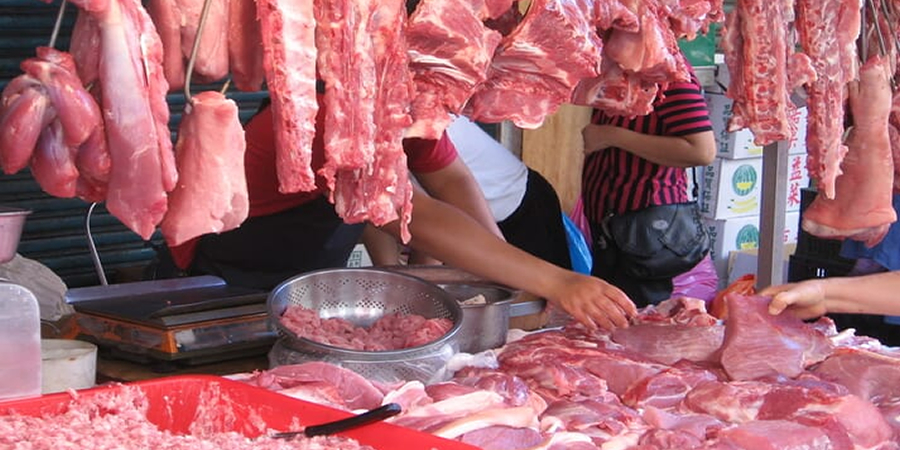
The resurgence of African swine fever (ASF) in parts of the Philippines, combined with the effects of the El Nino phenomenon, has led to a nearly 10% increase in pork imports during the first half of 2024, Philippine Daily Inquirer reported.
According to data from the country's Bureau of Animal Industry (BAI), meat imports totalled 647.75 million kg in the first six months of 2024. This represents a 9.6% rise compared to 590.77 million kg during the same period last year.
The import volume for the first semester accounted for 53.8% of last year's total meat imports of 1.2 billion kg.
Meat imports showed an upward trend from February to May before a slight decline in June, coinciding with President Marcos' decision to retain lower import duties on agricultural commodities.
"The reduction in supply caused by the continuing effects of ASF, coupled with El Nino, likely encouraged importers to bring in more products," said Jesus Cham, president emeritus of the Meat Importers and Traders Association.
Pork remained the most imported meat product, with a total of 317 million kg, representing 48.9% of the total meat imports. This marks a 7.6% increase from the previous year, with offal and pork cuts being the primary imports.
Cham observed that pork cuts saw a higher increase compared to bellies, noting a growing demand for cheaper cuts, offal, and by-products.
Chicken imports followed, totalling 221.6 million kg, a 4.1% increase, and accounting for 34.2% of the total. Most chicken imports consisted of mechanically deboned meat or mechanically separated chicken.
Beef imports rose significantly by 29.2%, reaching 84.92 million kg, which equates to a 13.1% share of total imports. Beef cuts made up more than half of this volume.
"The record-high domestic retail prices of pork and chicken indicate a severe supply shortage, which has made beef more competitive," Cham added.
In addition to pork, chicken, and beef, meat traders imported 23.1 million kg of buffalo, turkey, lamb, and duck during the first half of the year.
Among meat-exporting countries, Brazil remained the leading source of imported meat to the Philippines, delivering 223.64 million kg of meat, primarily chicken and pork. Brazilian exporters have expressed readiness to increase their exports, especially after gaining expanded access to the Philippine market in March.
This expanded access came after the Philippines and Brazil reached an agreement on system accreditation and prelisting establishments, allowing Brazilian exporters to supply meat without requiring individual evaluations by Philippine authorities.
The US and Spain followed Brazil in meat exports to the Philippines, with 95.1 million kg and 81.3 million kg, respectively.
Cham also commented on the issuance of Executive Order No 62, which aims to ensure the continued supply of essential food products at affordable prices by maintaining low tariff rates on various products. He noted that this order provided certainty to importers.
Cham expressed concerns about the Philippines' Department of Agriculture's (DA) reluctance to acknowledge the ongoing supply shortage. He pointed out that the pork Minimum Access Volume (MAV), a tariff quota, was only fully issued this week, delayed by over six months.
Cham also mentioned that the DA plans to reclassify certain pork offal as meat, which would result in higher duties and landed costs.
- Philippine Daily Inquirer


