


August 30, 2023
FAIRR network seeks reformation of agriculture subsidies over over-production concerns
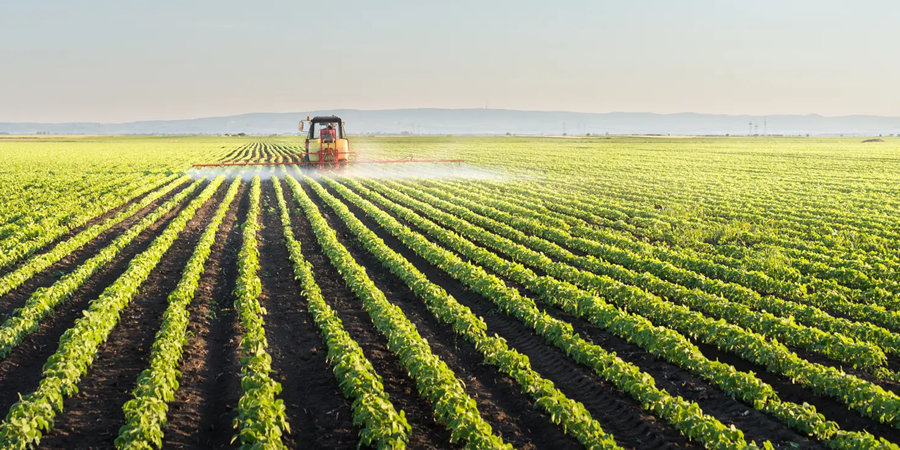
Red meat has been targeted by a $70 trillion investor network, which wants developed countries to phase out or repurpose by 2030 agricultural subsidies which it claims incentivise over-production and over-consumption of greenhouse gas-intensive foods.
The FAIRR network works with institutional investors on environmental, social, and corporate governance aspects linked to intensive livestock and fish farming.
FAIRR said subsidy reform is essential for its members with a long-term investment horizon, as climate change and biodiversity loss represent systemic risks to their portfolios.
Supported by 32 of their investors representing $7.3 trillion in combined assets, including Legal & General Investment Management and BNP Paribas, FAIRR calls for agricultural subsidies to be aligned with government, multilateral and private sector commitments to transition to net zero, and protect and restore nature by 2050.
They have signed a statement calling on G20 finance ministers to align agricultural support with climate and nature goals by 2030.
FAIRR said subsidies and other incentives make up around 15% of total agricultural production value globally with, for example, livestock receiving nearly 20% of EU agricultural subsidies, despite accounting for 50% of EU agricultural emissions.
It added that the United Nations identified almost $470 billion of annual subsidies that are price distorting and environmentally and socially harmful, representing 87% of all agricultural subsidies worldwide. Subsidy regimes are estimated to drive $4-6 trillion of economic costs per year, through damage to nature.
FAIRR's statement also called for G20 finance ministers to link financial support with environmental obligations, shift incentives from climate and nature damaging agricultural products to those that put a value on sustainable agriculture, shift away from production of high-emission products like dairy or red meat and increase just transition funding for workers who lose out if high-emissions sectors are impacted.
Jeremy Coller, founder of FAIRR Initiative, said: "Globally, governments are setting bold climate and nature goals, but in the same breath are undermining those ambitions with almost $500 billion in harmful agricultural subsidies or high-emitting commodities such as red meat.
"It's time for the G20 to listen to investors' call to support a sustainable food industry and offer reassurance that governments' left hand knows what the right hand is doing. We need to realign subsidies to nature goals to support a transition for farmers and to ensure a level regulatory playing field for alternative proteins and other sustainable solutions."
Rachel Crossley, head of stewardship (Europe) at BNP Paribas Asset Management, said: "Climate change and nature loss are having substantial negative impacts on the real economy, and present systemic risks to the capital markets.
"The food system is responsible for more than a third of global greenhouse gas emissions, and is the leading threat to 86% of species at risk of extinction. Countries' agricultural subsidy regimes have been found to drive many of these impacts.
"As a major asset manager, investing across the global food system and committed to addressing climate change and nature loss through stewardship and engagement, we urge the G20 to implement wholesale reforms to current regimes and to repurpose subsidies to facilitate the delivery of global climate and biodiversity commitments. This will help to protect both the future of our planet and the financial security of our clients."
In 2021, FAIRR was part of an alliance calling the European Union's CAP reforms to include reduced direct support for high-emitting commodities such as beef and dairy.
- Irish Examiner


