


August 29, 2024
Pork prices in the Philippines set to rise in 2024 as demand outpaces supply
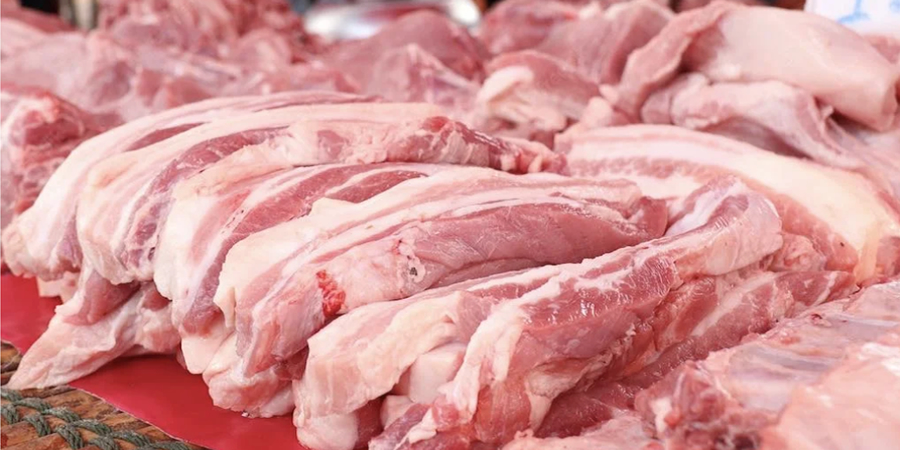
Consumers in the Philippines may face higher pork prices next year as increasing demand is expected to outstrip supply, despite a slight recovery in domestic production and stronger imports, according to a report by the US Department of Agriculture – Foreign Agricultural Service (USDA-FAS), The Philippine Star reported.
The USDA-FAS Manila projected that local pork prices will continue to rise, driven by population growth and economic expansion. The agency noted that the double-digit annual increase in pork prices indicates a shortfall in the country's total supply relative to its overall demand.
Recent prices for pork shoulder and pork belly in the Metro Manila market are nearly 18% and 10% higher, respectively, than the same period in 2023. This indicates that the market is not oversupplied, according to the USDA-FAS Manila's livestock report.
The report also highlighted that local farmgate prices for live hogs have risen this year due to increased feed costs. Additionally, export prices from major global pork exporters have also risen.
However, imported pork remains cheaper compared to domestically produced pork, despite higher export prices from major suppliers. Pork export prices from global players such as Europe, Canada, and the US ranged from US$2,600 to US$3,400 per metric tonne (MT) in the second quarter. Brazilian pork exports averaged US$2,300 per MT during the same period.
The USDA-FAS Manila projected that the country's total pork consumption next year will grow by 2% to 1.58 million MT, up from this year's 1.55 million MT.
To meet consumption demands, the Philippines is expected to import a record 510,000 MT of pork next year, a 6.25% increase over this year's estimated imports of 480,000 MT.
The report also anticipates a modest increase in local pork production, with an expected output of 1.06 million MT, up by 20,000 MT from this year's projected 1.04 million MT. This increase is attributed to declining feed costs.
However, the USDA-FAS Manila cautioned that the recent resurgence of African swine fever (ASF) cases in some pork-producing areas of the country may limit production growth next year.
- The Philippine Star


