


August 29, 2023
Chicken production growth in Philippines slows due to rising costs
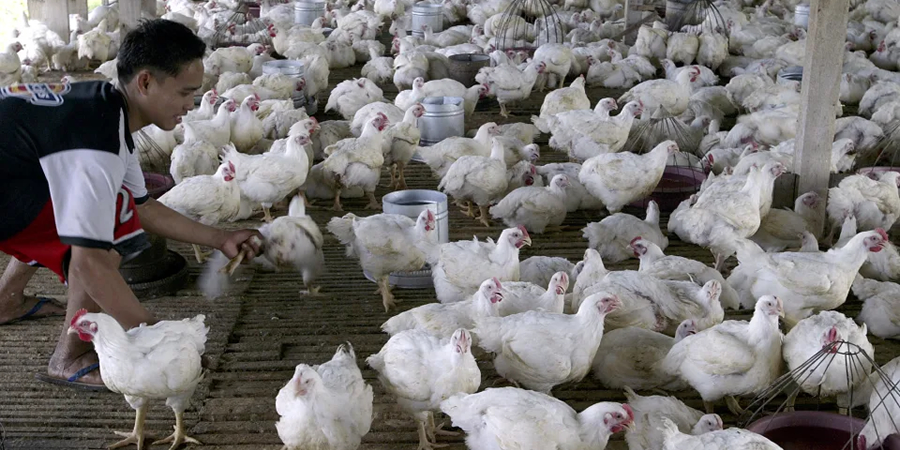
The growth of chicken production in the Philippines during the second quarter of the year has fallen on the lower end of the expected range, primarily due to the challenges posed by escalating production costs, as outlined by an industry spokesperson, BusinessWorld reported.
Elias Jose M Inciong, president of the United Broiler Raisers Association, said that the usual growth for the poultry sector is 3% to 7% a year, but the 3.3% posted for the second quarter is at the low end of the range.
He said it is not a big deal in terms of achievement but a cause for concern.
According to data recently released by the Philippine Statistics Authority (PSA), chicken production witnessed a modest increase of 3.3%, reaching a total of 477.76 thousand metric tons on a liveweight basis.
Inciong highlighted that the production intentions have been influenced by the elevated costs of inputs. He said that the cost of production is high, because the raw materials for feed remain costly.
Key feed ingredients such as corn, soybeans, and feed wheat have reached record price levels, further compounded by the persistent expense of coconut oil.
The competition from imports has presented a discouraging environment for domestic producers. Over the span of seven months leading up to July, chicken imports surged by 17.4%, totalling 249.37 million kg, constituting approximately 35% of the overall meat imports during the same period.
Addressing the situation, Danilo V Fausto, president of the Philippine Chamber of Agriculture and Food, Inc, said that an increase in the farmgate price of chicken is imperative to incentivise farmers to bolster their production efforts.
In the second quarter, the average farmgate price of chicken stood at PHP 134.13 (~US$2.36; PHP 10 = US$0.18) per kg, marking a 2.4% rise compared to the previous year.
The PSA reported that as of June 30, the national chicken inventory demonstrated a 2.8% upswing from the previous year, culminating at 200.21 million birds.
- BusinessWorld


