


August 26, 2024
British Columbia, Canada salmon farmers want officials to consider Norwegian-reviewed data before open net-pen ban starts
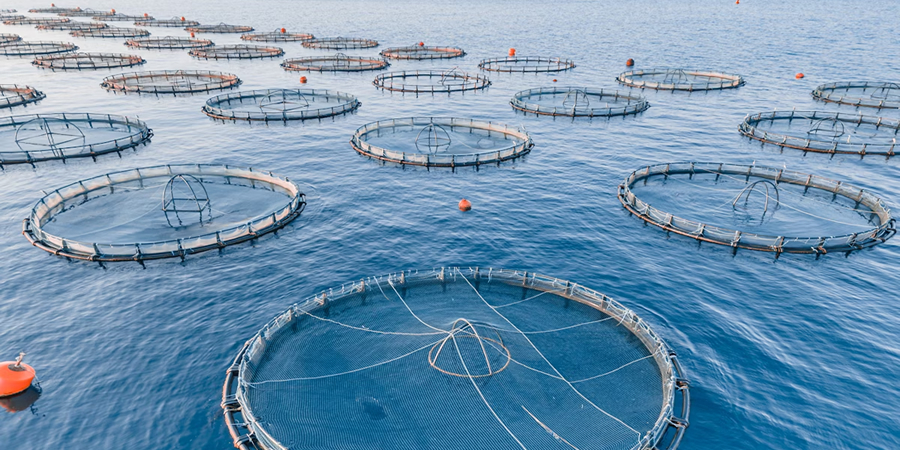
A recently released review of data from the Norwegian salmon-farming industry is renewing calls from salmon farmers in British Columbia, Canada, for officials to take a closer look at the relationship between farmed and wild salmon before the ban on open net-pen farming in the province comes into effect.
The review, published on July 30, reviewed the Norwegian regulatory management of its salmon-farming sector and the observational data that the country used to establish its traffic light system, which gives salmon-farming regions a green, yellow, or red light based on certain parameters, such as the potential impact of sea lice on wild salmon populations.
The review said some of the assumptions in the traffic light model are flawed, the production of lice larvae from farmed salmon is overestimated, and that lice-associated mortality in wild salmon smolts may also be overestimated. It also determined lice infection levels on salmon farms do not appear to be associated with any measurable effects on wild salmon.
According to the study, the current system assumes all infesting sea lice develop into the pre-adult or adult stage of sea lice, but in reality, there's a 57.5% reduction in lice numbers between early attachment and maturation into pre-adults. This means the Norwegian system overestimates mortality in its assessment.
The study also found there's a lack of association between farm infection levels and any measurable effects on wild Atlantic salmon. According to the study, the available data has "inconsistencies between high numbers of lice at farm sites and the number of severely infested wild salmon in the same area" and also indicates "that lice levels on wild salmonids were predicted better by environmental factors and fish size than by lice levels on farmed salmon in the same area."
"The evidence shows that salmon smolt behavior, water currents, temperature, and salinity, and most likely predation are important drivers of variations in salmon lice infestation levels among wild salmonids along the Norwegian coast, emphasising the importance of a greater inclusion of these variables in salmon lice modeling for management purposes than is currently performed," the study said.
The BC Salmon Farming Association pointed to the latest study as more evidence that the Canadian Department of Fisheries and Oceans' (DFO) plans to ban salmon farming in British Columbia based on perceived impacts from salmon aquaculture on wild salmon is misguided.
"The continued exaggeration of wild salmon populations declining due to sea lice from salmon farms does not help conservation efforts of wild salmon," said BC Salmon Farmers Association's executive director, Brian Kingzett. "Ongoing research and data support that the salmon-farming sector poses minimal risk to wild Pacific salmon, yet government decisions continue to ignore the science and threaten our sector's future. It's time for the federal government to stop using salmon farming as a scapegoat, making unrealistic and unachievable political decisions about our sector, and focus on reliable data and science to address the real issues impacting wild Pacific salmon."
Canada announced in June it was extending salmon-farming licenses in British Columbia until June 30, 2029, and added that it will continue to push for a transition from open-pen salmon farming to either closed-pen or land-based operations.
The five-year renewal period comes with stricter conditions on salmon farms, which the DFO's plan said were designed to protect wild salmon.
- SeafoodSource


