


August 25, 2023
Shrimp exports decline in Khulna, Bangladesh
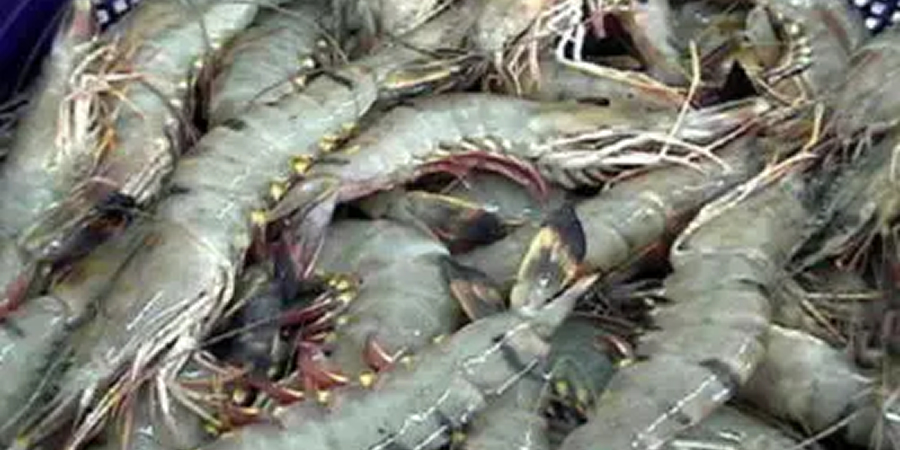
Shrimp exports from Khulna city, Bangladesh, have been experiencing a gradual downturn each year, primarily due to a significant drop in production within the region, Dhaka Tribune reported.
Over the past five years, Bangladesh has faced a continuous reduction of 3,000 tonnes in annual shrimp exports.
According to data provided by the Fish Inspection and Quality Control (FIQC) Khulna office, the fiscal year 2021-22 saw the export of 24,100 tonnes of Bagda and Galda shrimp from the Khulna region, a figure that decreased to 19,900 tonnes in 2022-23.
This decline in shrimp production can be attributed to a multitude of factors, including dwindling sources of brackish water, relentless viral attacks, farmers' hesitancy to embrace modern methods, and the lack of disease-free shrimp fries.
A shrimp farmer from Daulatpur in Khulna lamented the insufficient water in aquatic bodies for sustaining shrimp production. Coupled with this challenge, there's been a persistent onslaught of virus outbreaks, further exacerbating the situation. The escalating cost of feed has also contributed to losses faced by shrimp farmers.
Despite its considerable potential to boost the national economy, the shrimp industry is progressively losing its foothold. Data spanning the last five years demonstrates an ongoing decline in shrimp production across Bangladesh, resulting in a broader impact on overall exports.
The frozen shrimp export figures showed that 39,706 tonnes were shipped in the financial year 2016-17, decreasing to 36,168 tonnes in 2017-18, followed by further declines to 33,306 tonnes in 2018-19 and 30,036 tonnes in 2019-20, according to recent data from the Bangladesh Frozen Foods Exporters Association. Shrimp production dipped to 30,571 tonnes in the fiscal year 2021-22.
Regarding the production slump, Md Mahbubul Haque, the general manager of SOBI Fish Processing Industries Limited, attributed the reduction to climate change. He highlighted the prolonged winter and inadequate rainfall, leading to a lack of water for the black tiger shrimp, significantly impacting production.
Despite these challenges, experts believe that with governmental support and regulations, the heydays of shrimp farming can be revitalised. To mitigate the substantial feed cost (constituting 70-75% of total expenses), the government's intervention in reducing these costs and ensuring quality fry production is crucial. The road ahead for shrimp farming seems brighter if grassroots farmers are incentivised appropriately.
- Dhaka Tribune


