


August 25, 2023
Cutting livestock disease in half could slash emissions and feed millions, says report
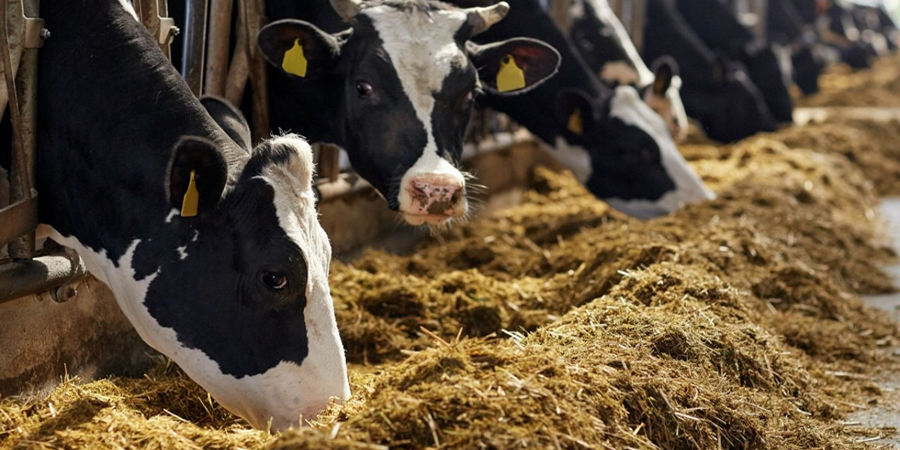
The Oxford Analytica consulting firm, working with HealthforAnimals, has found that globally, 20% of livestock production is lost yearly due to disease, and lowering this to 10% could reduce livestock emissions by 800 million tonnes (equivalent to the carbon footprint of 117 million Europeans) and feed 1.8 billion more people, Irish Examiner reported.
HealthforAnimals, based in Belgium, represents the global animal health industry.
The study analysed data from 180 countries between 2005 and 2022, sourced from the World Organisation for Animal Health (WOAH) and the UN Food and Agriculture Organisation. The study revealed that animal diseases notably hamper global livestock farming productivity, especially in less developed regions.
In 2018, disease caused a 2.8 million tonne reduction in global poultry production. This lost poultry could have fed 180 million people, given the average per capita poultry consumption of 15.8 kg. Poultry is the most consumed meat globally.
Also in 2018, disease led to a 3 million tonne reduction in global egg production, incurring a US$5.6 billion cost. This is nearly four times the UK's annual egg consumption.
The impact is highlighted in 2020 when meat production hit around 320 billion kg but could have reached 400 billion kg without a 20% disease-related loss. This loss is equivalent to the meat consumption of 1.6 billion people, causing a financial setback of US$264 billion for livestock producers.
Oxford Analytica's report also cites the FAO, estimating that emissions from cattle, poultry, and food-related animals (currently 7.1 gigatonnes of CO2 equivalent) could fall by 18% to 30% if all farmers adopt low-emission practices.
Scaling up animal health and husbandry practices could slash global emissions by 2.6%, while feeding over 9 billion people by 2050 without increased emissions.
Various methods, like vaccination, biosecurity, housing improvement, and modern genetics, can shield animals from disease. Vaccines, in particular, offer reliable prevention.
The FAO said that advanced genetics, feeding systems, animal health controls, and technologies over four decades allowed developed countries to reduce land needs for livestock by 20%, doubling meat production.
- Irish Examiner


