


August 19, 2024
Villages in Okakarara, Namibia, hit by eight lumpy skin disease cases
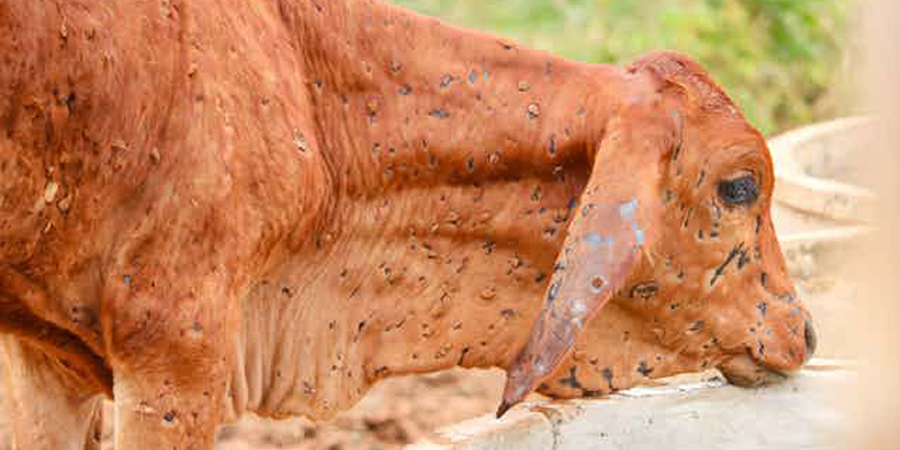
Eight cases of lumpy skin disease (LSD) have been reported at villages in the Okakarara region of Namibia.
According to Dr. Faffa Malan, managing director of the Ruminant Veterinary Association of South Africa (RuVasa), the disease is widely spread throughout the southern African region.
The Namibian Directorate of Veterinary Services has established movement control around the villages to prevent spreading of the disease in accordance with the Animal Health Act of 2011. Movement control measures include that only animals without visible clinical symptoms and which have been vaccinated 21 days prior to movement may be moved from the villages.
Only cattle that have been vaccinated 21 days prior may be brought into the area.
The measures do not apply to cattle destined for the abattoir. Vaccines are available and farmers are urged to vaccinate their animals, and to control vectors like biting flies, mosquitoes, ticks, lice, and wasps.
The highly contagious disease can also be transmitted through close contact with infected animals or contaminated feed and water troughs. Farmers who fail to use clean needles when vaccinating animals may also contribute to the spread of the disease
Hot, humid weather during summer and autumn causes vectors in low-lying marshy areas to multiply and increase their activity. The outbreak is an indication that animals had not been vaccinated before the rainy season. Cattle displaying clinical signs can be treated with vitamins, anti-inflammatory medication, and antibiotics to prevent secondary infection.
The World Organisation for Animal Health (WOAH) has listed LSD as one of the most economically important and notifiable trans-boundary viral animal diseases.
- ProAgri


