


August 18, 2025
Hog industry in Negros Occidental, Philippines gradually recovering from ASF
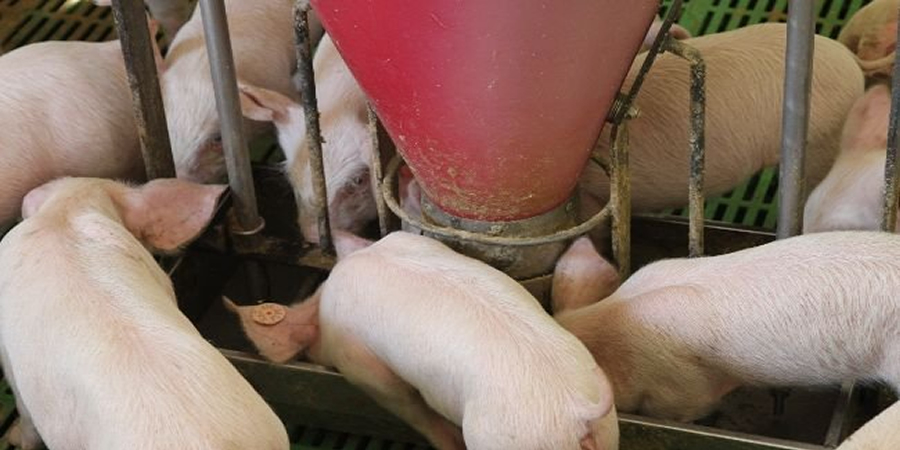
The hog-raising industry in the province of Negros Occidental, in the Philippines, is still recovering from the impacts of hog cholera and African Swine Fever (ASF), according to provincial veterinarian Dr Placeda Lemana on August 14.
This follows a report that the province now has a sufficient supply of pork, since hog raisers and farmers are already recovering their losses from the effects of ASF and hog cholera.
"We observed that our farmers and government units who had been affected by [hog] cholera and ASF returned to business. They are now productive in producing supply," she said.
Based on the data from the Provincial Veterinary Office, in January this year, at least 3,353 hogs were produced by the province for the neighbouring regions, but it reached 6,000 in June and 9,112 in July. This showed that the industry is recovering.
The hogs produced in the province were mostly traded to Panay, Cebu, Samar, and as far as the Luzon areas, Lemana said.
Despite the recorded numbers, Lemana clarified that the province had not yet fully recovered since before the surge of ASF and hog cholera, there were about half a million hogs raised in the province, but as of the moment, it only reached up to 300,000.
"We have [only] sufficient supply here, because we cannot supply that amount to other cities if we don't have sufficient supply," Lamena answered when asked if the province had an oversupply.
Furthermore, she also disclosed that as per their monitoring, live weight prices vary according to location. In Don Salvador Benedicto and Calatrava, it was reported that prices have dropped to ₱110 (US$1.93), while in Kabankalan, it reaches ₱150 (US$2.63) per kilo.
Despite the lowered live weight prices, the average market price of pork in the province remains at ₱300 (US$5.25) to ₱400 (US$7.00) per kilo, contradicting the ₱230 (US$4.02) to ₱260 (US$4.55) market prices claimed by the Alliance of Hog Raisers Association in Negros Occidental (AHRANO) president Rick Lauron said.
She clarified that even though there are no remaining ASF red-zone areas and no additional recorded cases across the province, it cannot be concluded that the province is ASF-free because not all hogs are tested.
In 2023, it was reported that over 18,000 hogs died because of hog cholera and ASF.
- RPN News Bacolod


