


August 17, 2023
University of Bristol to harness AI for early disease detection in dairy cattle
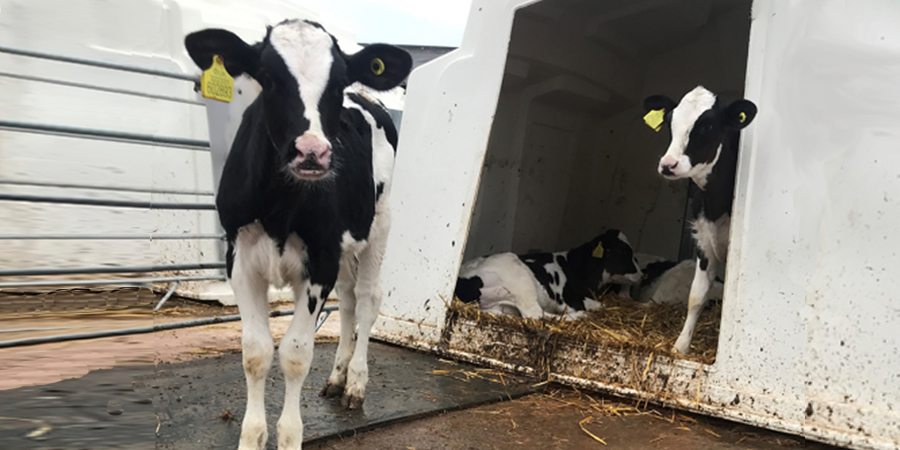
Researchers at the University of Bristol have secured funding to delve into the potential of artificial intelligence (AI) for early disease detection in dairy cattle, part of a broader campaign to combat endemic livestock diseases, supported by GBP 9 million (~US$11.4 million; GBP 1 = US$1.27) funding from the Biotechnology and Biological Sciences Research Council (BBSRC) and the Department for Environment, Food and Rural Affairs (Defra), University of Bristol reported.
The project is a collaborative effort encompassing expertise in veterinary medicine, animal behaviour, computer vision, and AI from the University of Bristol. Led by Professor Andrew Dowsey from the Bristol Veterinary School, the team is set to explore how AI can be leveraged to monitor the social interactions of cattle, which may serve as indicators for the development of diseases such as mastitis and lameness – two critical ailments impacting the UK dairy industry.
Diseases in dairy cattle have far-reaching consequences, compromising both animal health and welfare while causing significant financial losses for farmers and the industry as a whole. Afflicted cows have been found to contribute a larger proportion of methane emissions, underscoring the environmental impact of such diseases.
While existing technologies do offer automated disease detection in dairy cows, these tend to focus on observable symptoms that emerge in later stages of the diseases. The Bristol research team, led by Professor Dowsey, aims to pioneer a new approach: early detection through the analysis of social interactions using AI.
Professor Dowsey elaborated, "A cow's response to infection or trauma is to reduce behaviours which are not immediately essential to survival, such as social interactions. In a recent study we found that social exploration, the grooming of others, and receiving headbutts were all lower in cows with early-stage mastitis (Caplen & Held, 2021), so we think social behaviour changes could be early predictors of disease."
Recognising that busy farmers find it challenging to track changes in social behaviour, the team plans to monitor these interactions at key moments such as milking or feeding time.
To achieve this, Professor Dowsey and his team have developed an AI system that can identify individual cows by their unique coat patterns and track their movements.
Drawing on two years' worth of video data captured by 64 cameras at the John Oldacre Centre dairy farm, the researchers will train a model to identify behaviour changes over time that may indicate early-stage mastitis and lameness. Once developed, this system will be tested across a network of selected farms.
The University of Bristol's project contributes to a broader BBSRC and Defra initiative aimed at reducing the impact of endemic diseases on animal health, welfare, and productivity within the UK livestock sector. Developed in collaboration with academia, industry, and policy makers, this initiative promotes collaborative research to address these challenges across various livestock categories, including swine, poultry, beef, sheep, and dairy.
- University of Bristol


